




Audio Guide

|
|
La storia di una passione: da Texas Instruments al Museo dell'Orologio !

|
|
The Story of a Passion: From Texas Instruments to the Watch Museum !
La storia di una passione: da Texas Instruments al Museo dell'Orologio !
 In poche parole, raccontiamo la storia di come è nata una delle mie più grandi passioni: la passione per la tecnologia legata a Texas Instruments (TI). Una passione che ha preso vita in un contesto unico, un angolo di mondo dove storia e innovazione si intrecciano. La nascita di questa passione è avvenuta nella casa dei miei genitori, "Teresa e Giorgio", tra gli anni '70 e '80, situata nei pressi dello stabilimento Texas Instruments (Cittaducale - Rieti - Italia), un luogo che ha rappresentato il cuore pulsante di una vera e propria rivoluzione tecnologica.
In quegli anni, la vicinanza alla fabbrica mi ha permesso di accumulare una grande quantità di materiale: scarti di produzione, acquisti diretti presso lo spaccio aziendale, regali di amici e parenti dei miei genitori e molto altro. È iniziato così un percorso che ha visto lentamente crescere una collezione straordinaria, frutto di una passione travolgente. Negli anni successivi, le acquisizioni sono diventate sempre più numerose e incontrollabili, provenienti da ogni angolo del mondo. La ricerca di pezzi rari e significativi ha alimentato una passione che si estendeva ben oltre la semplice curiosità.
Questo viaggio non sarebbe stato possibile senza l'aiuto di tante persone, che hanno condiviso il loro amore per la storia della tecnologia, offrendo oggetti e materiali provenienti da tutto il mondo. A loro va il mio più profondo ringraziamento, perché hanno reso possibile l'espansione di un progetto che alla fine ha preso la forma di un vero e proprio Museo dell'Orologio dedicato a Texas Instruments.
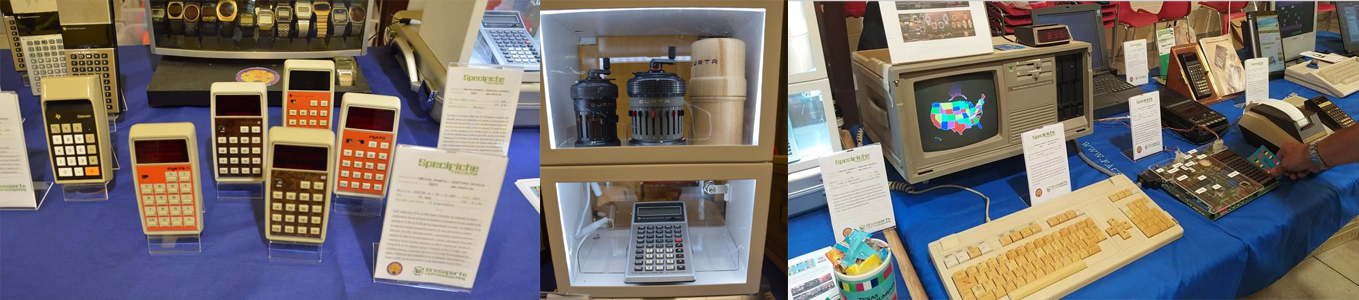
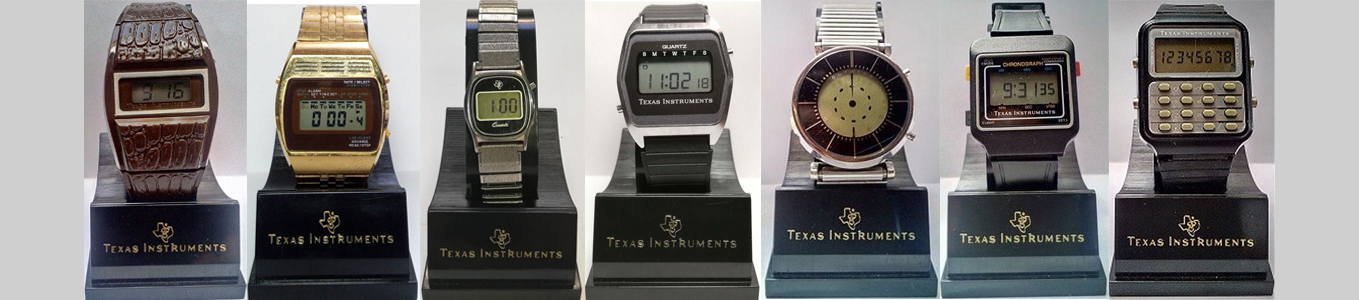
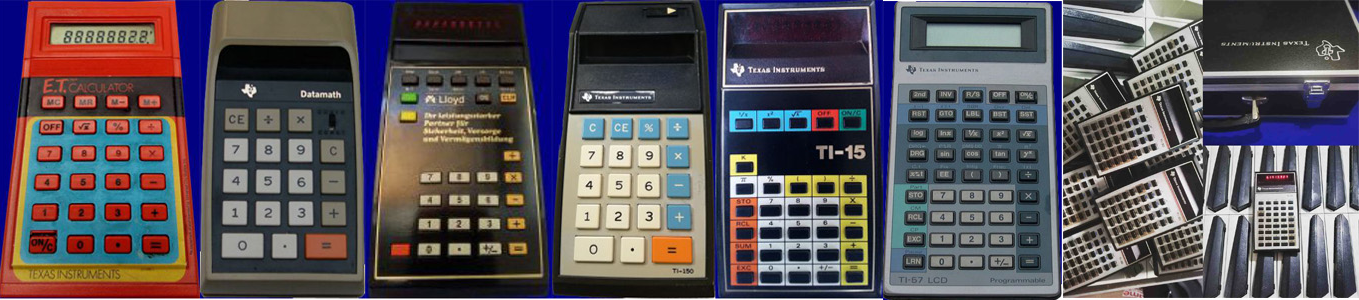
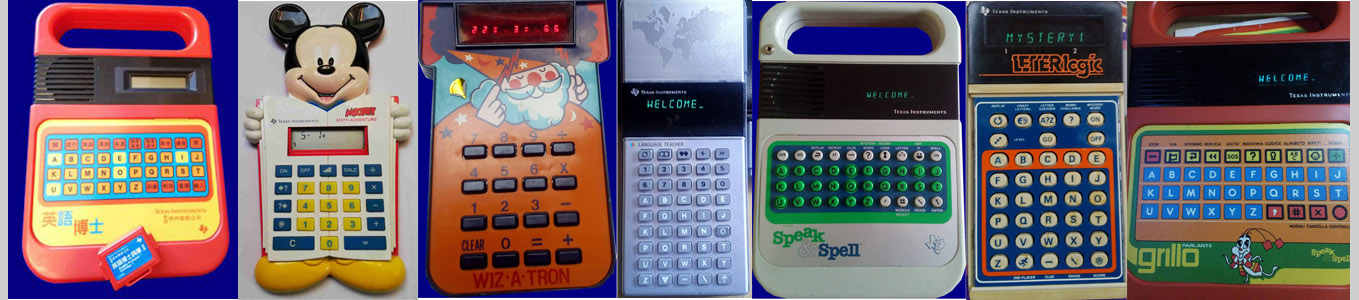
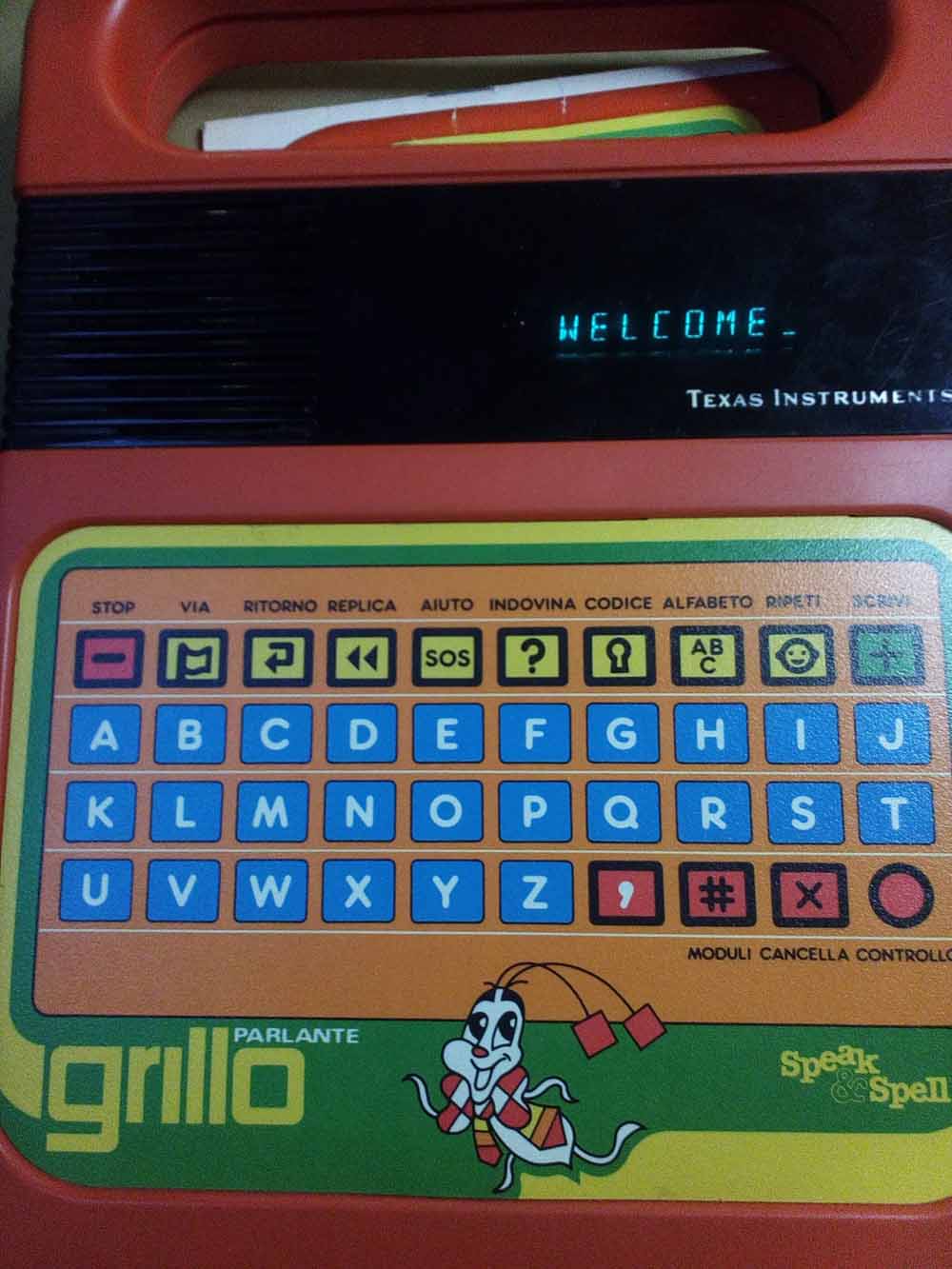
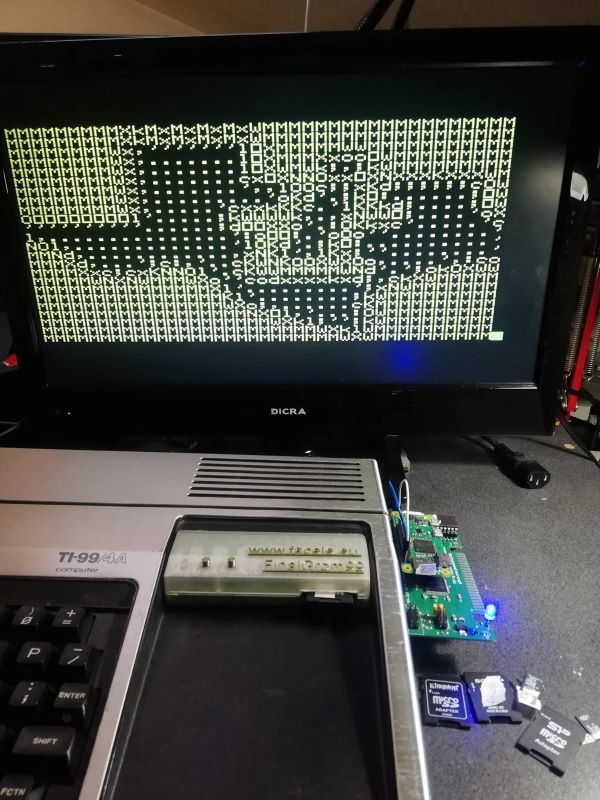
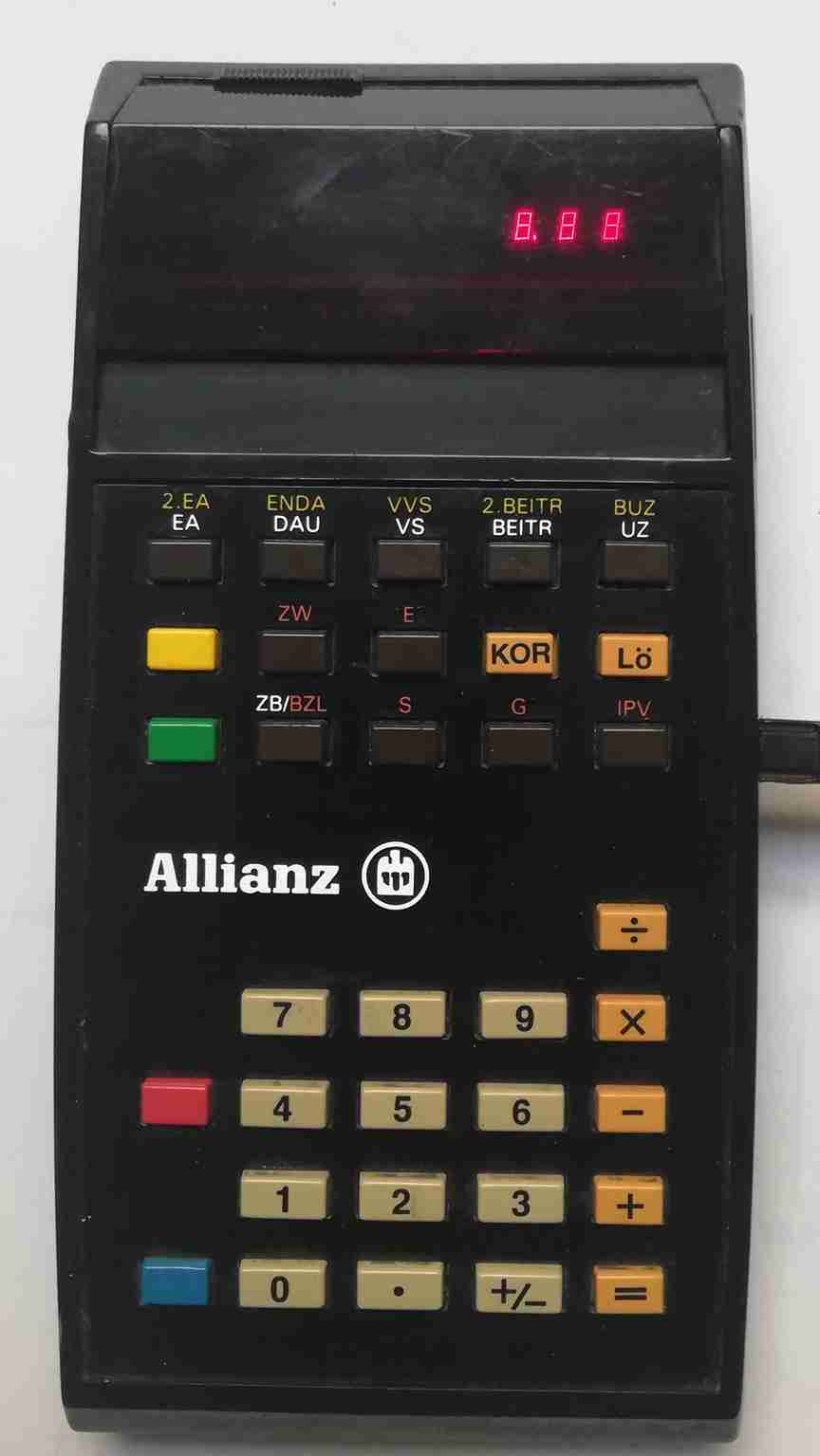
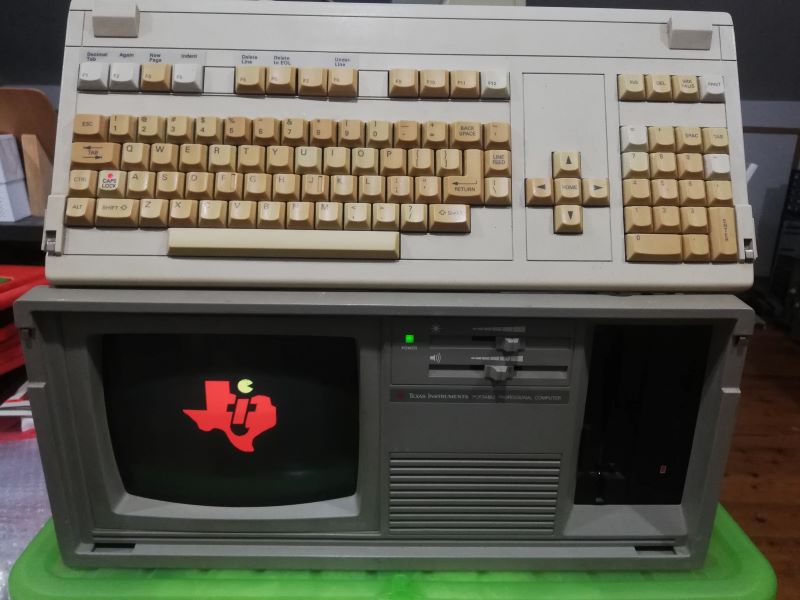
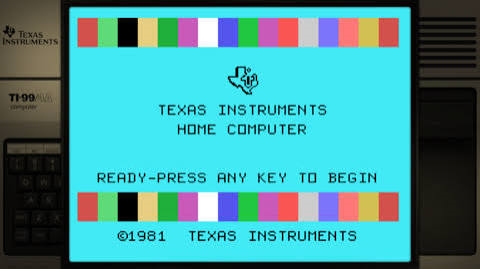
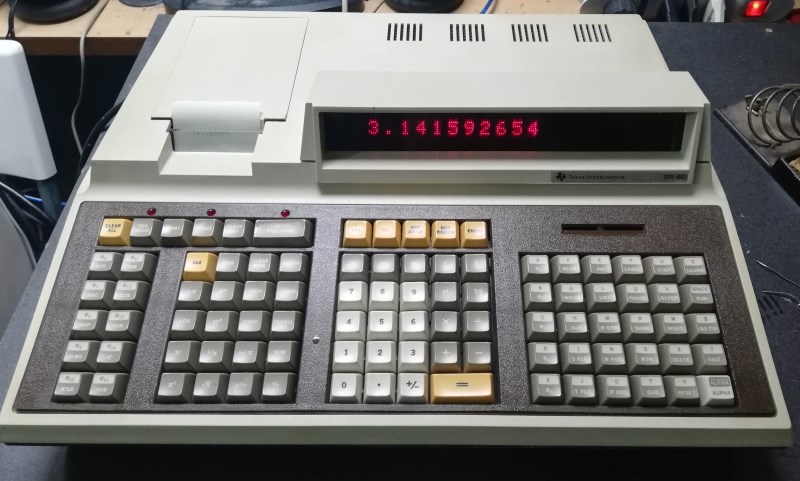
Ma come è nata questa passione? Tutto è iniziato con il fascino per i prodotti iconici di Texas Instruments: la celebre calcolatrice Datamath, il computer TI99/4A e l'inconfondibile orologio TI-500. Ogni oggetto raccontava una storia di innovazione e tecnologia che ha segnato un'epoca. Questi prodotti, insieme a molti altri, hanno contribuito a scrivere la storia di Texas Instruments e, per estensione, quella di un'intera generazione.
Da questa passione per la tecnologia è nato quello che oggi è considerato il più grande museo dell'orologio dedicato a Texas Instruments. Un luogo che non ospita solo oggetti storici, ma anche un pezzo di storia vivente, capace di raccontare come l'innovazione abbia cambiato il nostro stile di vita. Ogni oggetto, ogni pezzo esposto, non è solo un ricordo, ma la testimonianza di un'epoca in cui Texas Instruments è stata al centro di una straordinaria era di innovazione.
La passione per questi oggetti è molto più di una semplice collezione. È il risultato dell'amore per la tecnologia, la storia e l'evoluzione di un marchio che ha cambiato il corso della storia. Oggi, il museo si pone come punto di riferimento per appassionati e studiosi, un luogo in cui passato e futuro si incontrano, dove ogni oggetto racconta una storia che continua a vivere nel tempo.
Un viaggio iniziato con una semplice passione ha dato vita a un'opera straordinaria, un museo che continua a crescere e ad arricchirsi di nuovi pezzi ogni giorno. Un omaggio a un marchio che ha lasciato un segno indelebile nella storia della tecnologia.
Da qui è nato il più grande museo dell'orologio...Texas Instruments
Il mio piccolo aneddoto!!
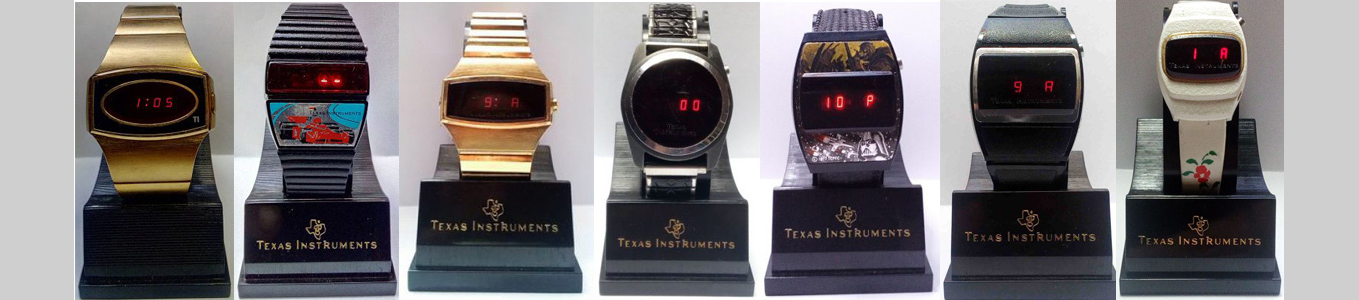
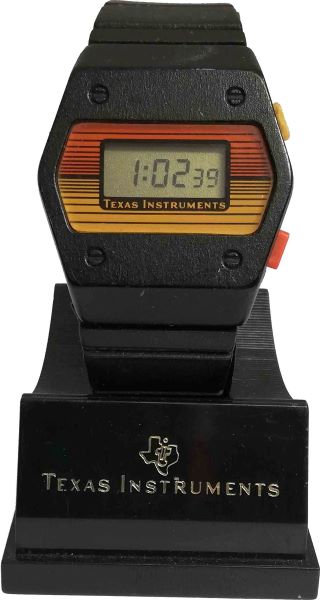
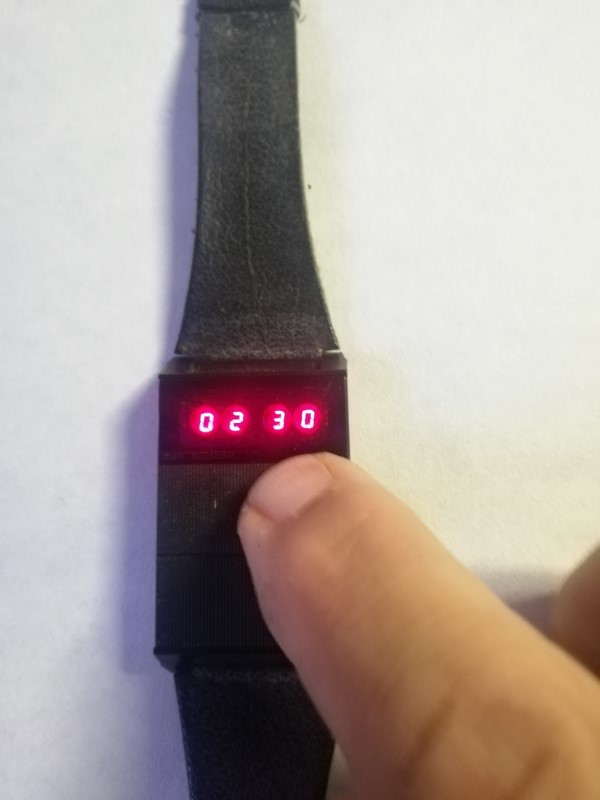
Quando ero piccolo, negli anni '70, il primo orologio più memorabile che abbia mai posseduto è stato un orologio digitale prodotto da Texas Instruments (TI)... e quando me lo regalarono per Natale, mi ritrovai a vivere nel FUTURO!!! Orologio LED TI-500 (quadrante sottile) L'orologio faceva parte della linea di orologi digitali LED TI-500. Il cuore degli orologi di questa linea era lo stesso per tutti, ma lo stile della cassa era diverso. Sebbene gli orologi LED dell'epoca fossero già di per sé piuttosto futuristici, la versione che ho ricevuto è quella che credo possa essere considerata l'orologio dall'aspetto più futuristico della linea TI-500. Aveva una stretta lente rosso scuro che si trovava esattamente al centro di una cassa "trapezoidale sovrapposta". La stretta lente ricordava la visiera di un robot spaziale. C'erano alcune versioni speciali di questo orologio che avevano immagini stampate, come auto da corsa, nella parte inferiore del quadrante. Sotto il coperchio della batteria sono inserite due batterie per orologi LR44 che garantiscono un'autonomia di circa 30-40 giorni, a patto che non si continuino a premere i pulsanti lucidi per tutto il giorno.
Un orologio come questo non mostrava l'ora in continuazione. Avrebbe scaricato la batteria in giorni, se non ore. I display a LED non erano molto efficienti all'epoca. Per visualizzare l'ora, si preme un pulsante color argento che sporge in alto a destra del corpo dell'orologio. Premendolo una volta, l'ora viene visualizzata per circa un secondo, quindi si spegne. È possibile tenere premuto il pulsante in modo che venga visualizzata più a lungo e dopo alcuni secondi passerà alla visualizzazione dei secondi effettivi che aumentano. Premendolo due volte, verrà visualizzato il giorno in mm.
L'unico altro pulsante dell'orologio è incassato nel corpo dell'orologio, in basso a destra. Usa una penna o una matita per premerlo e puoi impostare ora e data con una serie di pressioni. Puoi anche "sincronizzare" il numero di secondi, come facevo ogni mattina quando andavo a scuola e sincronizzavo l'orologio con la campanella della scuola. Sapevo con precisione al SECONDO quando sarebbe suonata la campanella alla fine della lezione! Detto questo, questo stile di orologio è stato il primo della mia vita ad essere un orologio digitale. Eppure è stato l'unico orologio a LED che avrei mai posseduto per molto tempo. Gli orologi con display LCD sono entrati in scena alla fine degli anni '70 e non avrei mai pensato di passare il resto della mia vita a comprare "cool" orologi digitali Texas Instruments!
The Story of a Passion: From Texas Instruments to the Watch Museum !
In a few words, we tell the story of how one of the greatest passions was born: the passion for technology related to Texas Instruments (TI). A passion that came to life in a unique context, a corner of the world where history and innovation intertwined. The birth of this passion took place in my parents' home, "Teresa and Giorgio" during the '70s and '80s, located near the Texas Instruments facility (Cittaducale - Rieti - Italy), a place that represented the beating heart of a true technological revolution.
During those years, the proximity to the factory allowed me to accumulate a large amount of material: production scraps, direct purchases from the factory store, gifts from friends and relatives of my parents, and much more. This is how the journey began a journey that slowly saw the growth of an extraordinary collection, the result of an overwhelming passion. Over the following years, the acquisitions became increasingly numerous and uncontrollable, coming from all corners of the world. The search for rare and significant pieces fueled a passion that extended far beyond mere curiosity.
This journey would not have been possible without the help of many people, who shared their love for the history of technology, offering objects and materials from all over the globe. My deepest thanks go to them, as they made it possible to expand a project that eventually took the form of a true Watch Museum dedicated to Texas Instruments.
But how did this passion start? It all began with the fascination for Texas Instruments' iconic products: the famous Datamath calculator, the TI99/4A computer, and the unmistakable TI-500 watch. Each object told a story of innovation and technology that marked an era. These products, along with many others, contributed to writing the history of Texas Instruments and, by extension, that of an entire generation.
From this passion for technology, what is now considered the largest watch museum dedicated to Texas Instruments was born. A place that not only houses historical objects but also a piece of living history, capable of telling how innovation changed our way of life. Each object, each displayed piece, is not just a memory, but a witness to a time when Texas Instruments was at the center of an extraordinary age of innovation.
The passion for these objects is much more than just a collection. It is the result of a love for technology, history, and the evolution of a brand that changed the course of history. Today, the museum stands as a point of reference for enthusiasts and scholars alike, a place where past and future meet, where every object tells a story that continues to live through time.
A journey that began with a simple passion has given life to an extraordinary work, a museum that continues to grow and enrich itself with new pieces every day. A tribute to a brand that has left an indelible mark on the history of technology.
From this was born the largest watch museum...Texas Instruments
My little anecdote !!
When I was growing up in the 1970s, the first most memorable watch I ever owned was a digital watch made by Texas Instruments (TI) ... and when I got it for Christmas, I was living in the FUTURE !!! TI-500 LED Watch (Slim Dial) The watch was part of TI's TI-500 line of LED digital watches. The heart of the watches in this watch line was the same for everyone, but the style of the case was different. Although the LED watches of the era were quite futuristic as it is, the version I got is what I think can be considered the most futuristic looking watch in the TI-500 line. It had a narrow dark red lens that sat squarely in the middle of a "stacked trapezoidal" case. The narrow lens resembled the visor of a space robot.There were some special versions of this watch that had images printed, such as racing cars, at the bottom of the dial. Under the battery cover, two LR44 watch batteries are inserted which will give you around 30-40 days as long as you don't keep pressing its shiny buttons all day.
A watch like this didn't show the time all the time. He would drain the battery in days, if not hours. LED displays weren't very efficient back then. To view the time, press a silver colored button that protrudes at the top right of the watch body. Pressing it once displays the time for about one second, then switches off. You can hold the button so that it is displayed longer and after a few seconds it will switch to the display of the actual seconds that are increasing. Press the button twice and it will show you the day in MM / DD format. It does not keep track of the current year.
The only other watch button is recessed into the watch body at the bottom right. Use a pen or pencil to press it and you can set the time and date through a series of button presses. You can also "synchronize" the number of seconds, as I did every morning when I came to school and synchronized it with the school bell clock. I knew until the SECOND when the bell would ring at the end of the lesson!
That said, this style watch was the first in my life when it came to digital watches. Yet it was the only LED watch I would ever own for a long time. LCD based watches soon entered the scene in the late 1970s and I never thought I'd spend the rest of my life buying "cool" Texas Instruments digital watches !!


.jpg "Core Module Watch")


.jpg "APPLE")
.jpg "Calculator Fuller")

.jpg "Console / Games")
.jpg "Olivetti Valentine")
.jpg "Battle Star Galactica")


.png)