
Computer
 The BBC Microcomputer System, or BBC Micro, is a series of microcomputers designed and built by Acorn Computers Limited in the 1980s for the Computer Literacy Project of the BBC. The machine was the focus of a number of educational BBC TV programmes on computer literacy, starting with The Computer Programme in 1982, followed by Making the Most of the Micro, Computers in Control in 1983, and finally Micro Live in 1985.

Model: BBC micro
Adapter: Internal PSU, 220 VAC
Year: 1981-1994
Keyboard: Keyboard, twin analogue joysticks with fire buttons, lightpen
Cpu: Synertek SY6502A clocked at 2 MHz when accessing ROM and 1 MHz when accessing RAM Speed: 2 mhz CO-processor: x Ram: 16–32 KiB (Model A/B)64–128 KiB (Model B+) 128 KiB (Master) Plus 32–128 KB ROM, expandable to 272 KiB Sound: Texas Instruments SN76489, 4 channels, monoTMS5220 speech synthesiser with phrase ROM (optional) Display: PAL/NTSC, UHF/composite/TTL RGB
Size - Weight: x
I/O ports: Printer parallel, RS-423 serial, user parallel, Econet (optional), 1 MHz bus, Tube second processor interface
Media: cassette tape, floppy disk (optional) – 5+1⁄4-inch or (later) 3+1⁄2-inch, hard disk also known as 'Winchester' (rare), Laserdisc (BBC Domesday Project)OS: Acorn MOS V.1.0
Peripherals: x
Price: 235 £ (1981)
.jpg)
The Amiga 1200, or A1200 (code-named "Channel Z"), is a personal computer in the Amiga computer family released by Commodore International, aimed at the home computer market. It was launched on October 21, 1992, at a base price of £399 in the United Kingdom (equivalent to £1,040 in 2023) and $599 in the United States (equivalent to $1,340 in 2024). The A1200 was launched a few months after the Amiga 600, using a similar slimline design that replaced the earlier Amiga 500 Plus and Amiga 500. Whereas the A600 used the 16-bit Motorola 68000 of earlier Amigas, the A1200 was built around the 32-bit Motorola 68EC020. Physically, the A1200 is an all-in-one design incorporating the CPU, keyboard, and disk drives (including the option of an internal 2.5" hard disk drive) in one physical unit. The A1200's hardware architecture was later used as the basis for Commodore's Amiga CD32 game console in 1993.
.jpg)
.jpg)
.jpg)
.jpg)
Wikipedia Commodore Amiga 1200
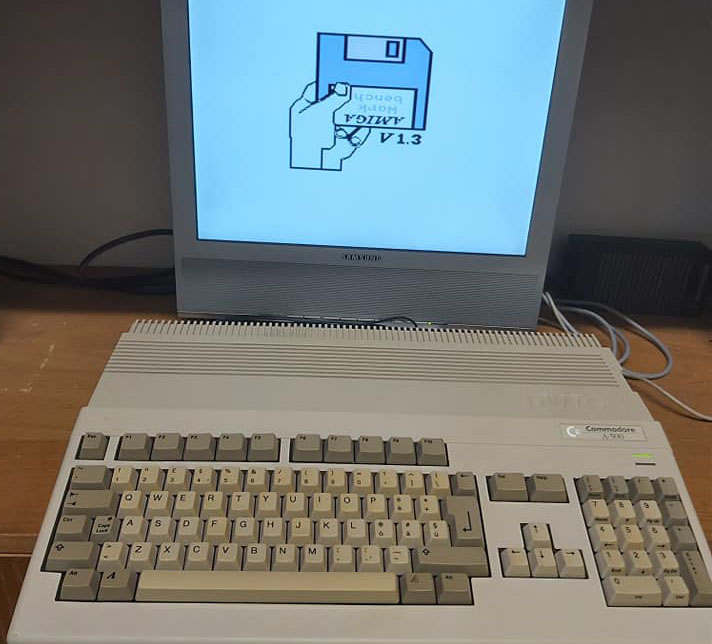
The Amiga 500, also known as the A500, is the first low-end version of the Amiga home computer. It contains the same Motorola 68000 as the Amiga 1000, as well as the same graphics and sound coprocessors, but is in a smaller case similar to that of the Commodore 128.
Commodore announced the Amiga 500 at the January 1987 winter Consumer Electronics Show – at the same time as the high-end Amiga 2000. It was initially available in the Netherlands in April 1987, then the rest of Europe in May. In North America and the UK it was released in October 1987 with a US$699/£499 list price. It competed directly against models in the Atari ST line.
The Amiga 500 was sold in the same retail outlets as the Commodore 64, as opposed to the computer store-only Amiga 1000. It proved to be Commodore's best-selling model, particularly in Europe. Although popular with hobbyists, arguably its most widespread use was as a gaming machine, where its graphics and sound were of significant benefit.
Amiga 500
.jpg)
.jpg)
.jpg)
.jpg)
.jpg)
.jpg)
This set consisting of an Amiga 500 and an original monitor from the 80s was donated by Federica Grillo!
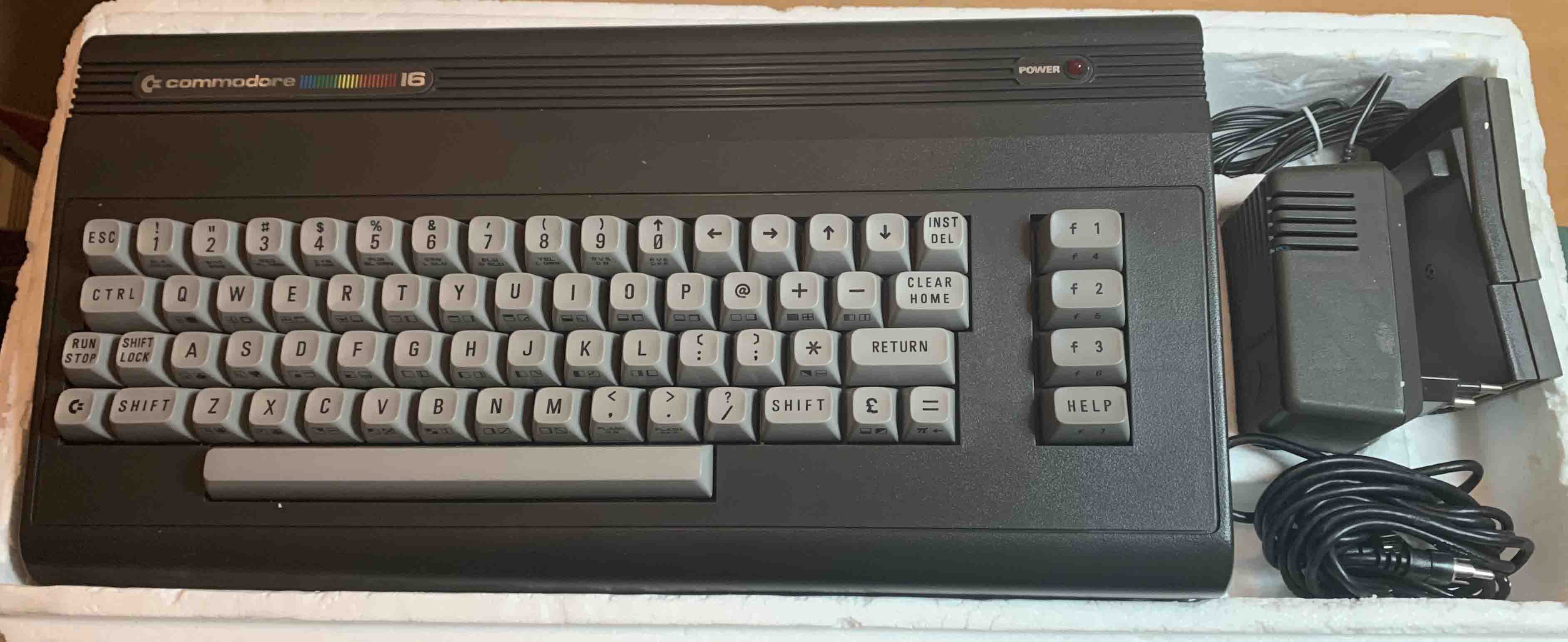 The Commodore 16 is a home computer made by Commodore International with a 6502-compatible 7501 or 8501 CPU, released in 1984 and intended to be an entry-level computer to replace the VIC-20. A cost-reduced version, the Commodore 116, was mostly sold in Europe.
The C16 and C116 belong to the same family as the higher-end Plus/4 and are internally very similar to it (albeit with less RAM - 16 rather than 64 KB - and lacking the Plus/4's user port and Three plus one software). Software is generally compatible among all three provided it can fit within the C16's smaller RAM and does not utilize the user port on the Plus/4.
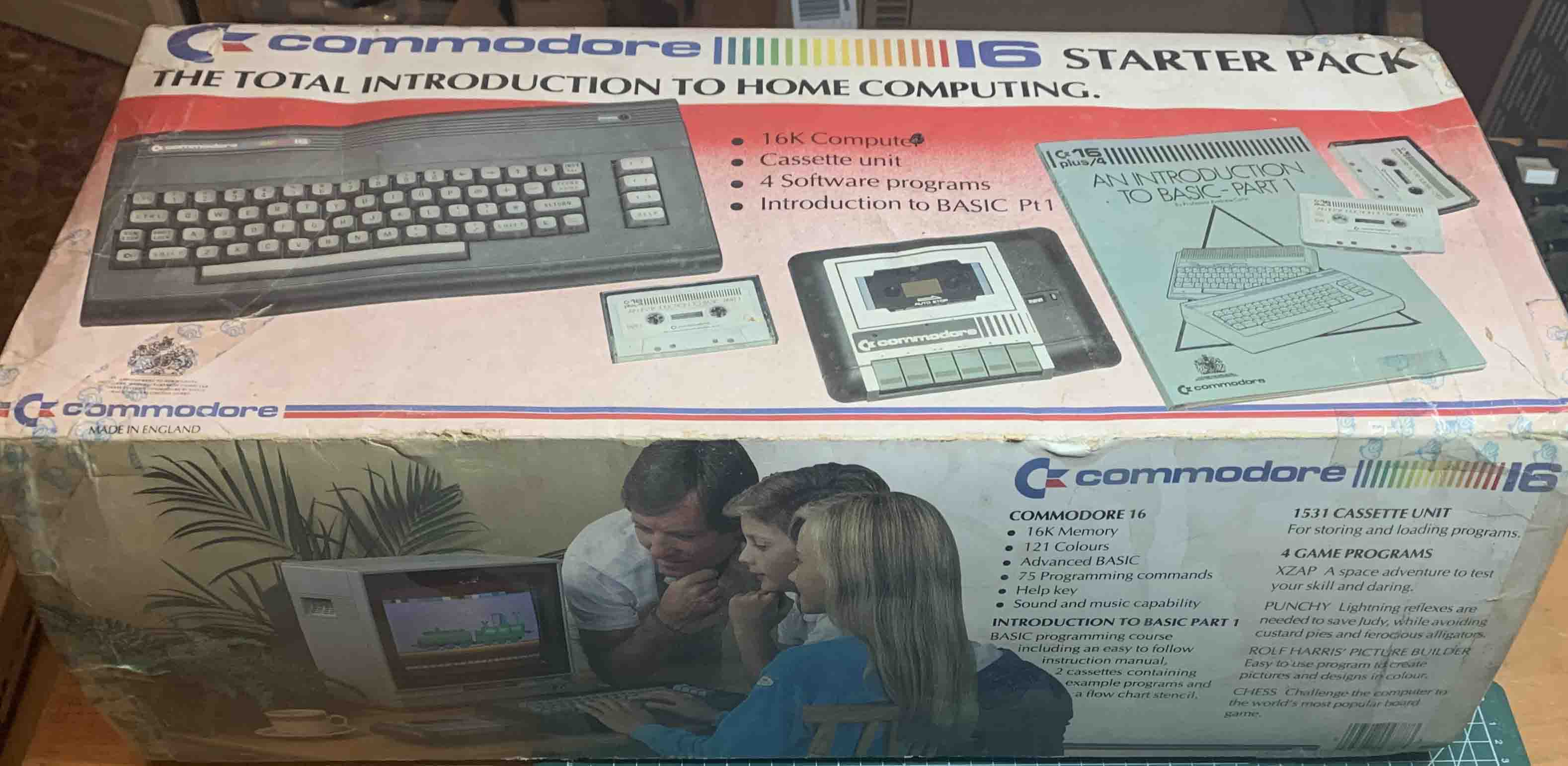 While the C16 was a failure on the US market, it enjoyed some success in certain European countries and Mexico.
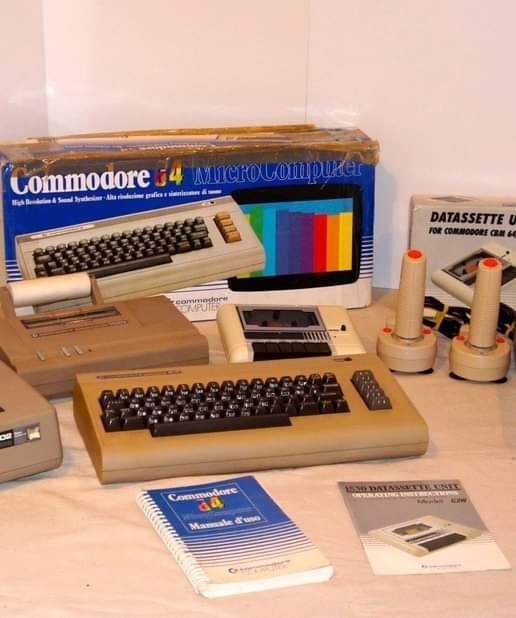 The Commodore 64, also known as the C64 or the CBM 64, is an 8-bit home computer introduced in January 1982 by Commodore International (first shown at the Consumer Electronics Show, 7–10 January 1982, in Las Vegas). It has been listed in the Guinness World Records as the highest-selling single computer model of all time, with independent estimates placing the number sold between 12.5 and 17 million units. This claim is in spite of the Commodore 64 having three different Kernal ROM versions, two different SID sound chip versions, a few different motherboard versions and two different cases during its lifetime. Volume production started in early 1982, marketing in August for US$595 (equivalent to $1,596 in 2020).Preceded by the Commodore VIC-20 and Commodore PET, the C64 took its name from its 64 kibibytes (65,536 bytes) of RAM. With support for multicolor sprites and a custom chip for waveform generation, the C64 could create superior visuals and audio compared to systems without such custom hardware.
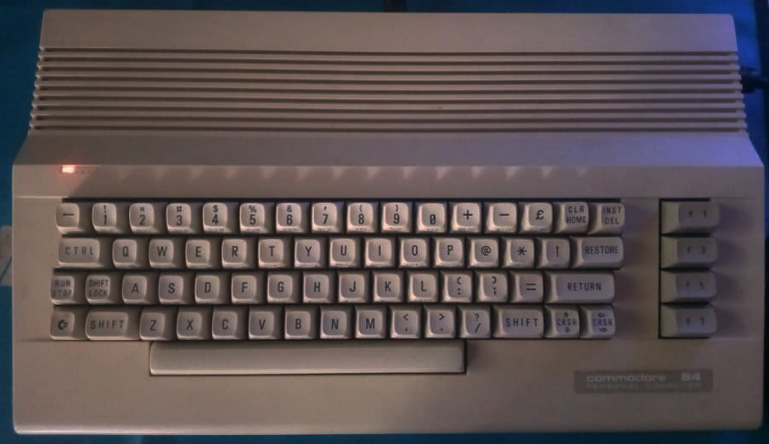 The Commodore 64C designers intended the computer to have a new, wedge-shaped case within a year of release,
 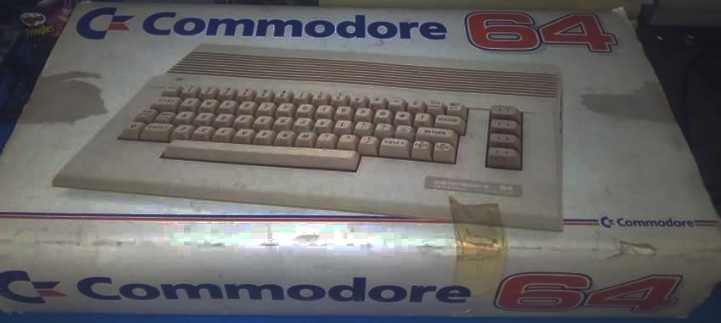 but the change did not occur. In 1986, Commodore released the 64C computer, which is functionally identical to the original. The exterior design was remodeled in the sleeker style of the Commodore 128. The 64C uses new versions of the SID, VIC-II, and I/O chips being deployed. Models with the C64E board had the graphic symbols printed on the top of the keys, instead of the normal location on the front. The sound chip (SID) was changed to use the MOS 8580 chip, with the core voltage reduced from 12V to 9V. The most significant changes include different behavior in the filters and in the volume control, which result in some music/sound effects sounding differently than intended, and in digitally-sampled audio being almost inaudible, respectively (though both of these can mostly be corrected-for in software).
 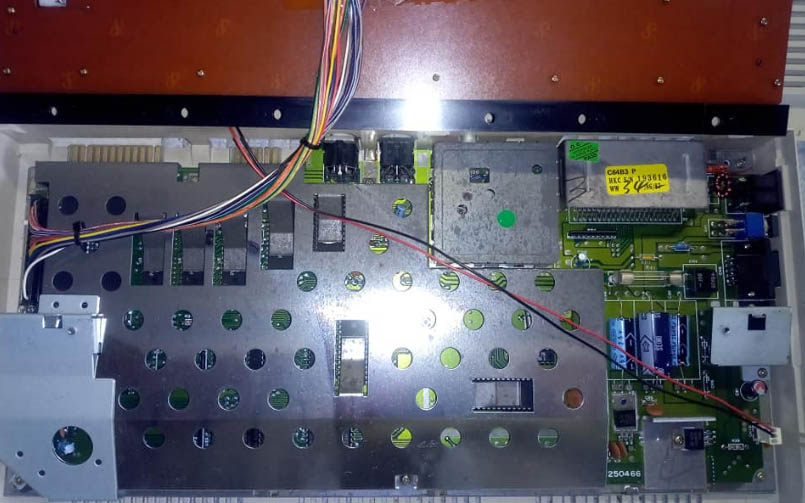 The 64 KB RAM memory went from eight chips to two chips. BASIC and the KERNAL went from two
 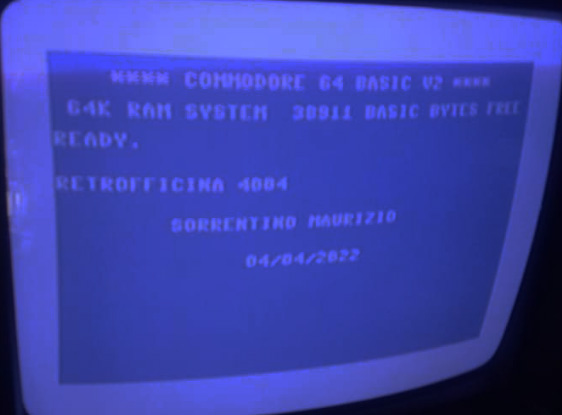 separate chips into one 16 KB ROM chip. The PLA chip and some TTL chips were integrated into a DIL 64-pin chip. The "252535-01" PLA integrated the color RAM as well into the same chip. The smaller physical space made it impossible to put in some internal expansions like a floppy-speeder. In the United States, the 64C was often bundled with the third-party GEOS graphical user interface (GUI)-based operating system, as well as the software needed to access Quantum Link. The 1541 drive received a matching face-lift, resulting in the 1541C. Later, a smaller, sleeker 1541-II model was introduced, along with the 800 KB 3.5-inch microfloppy 1581.
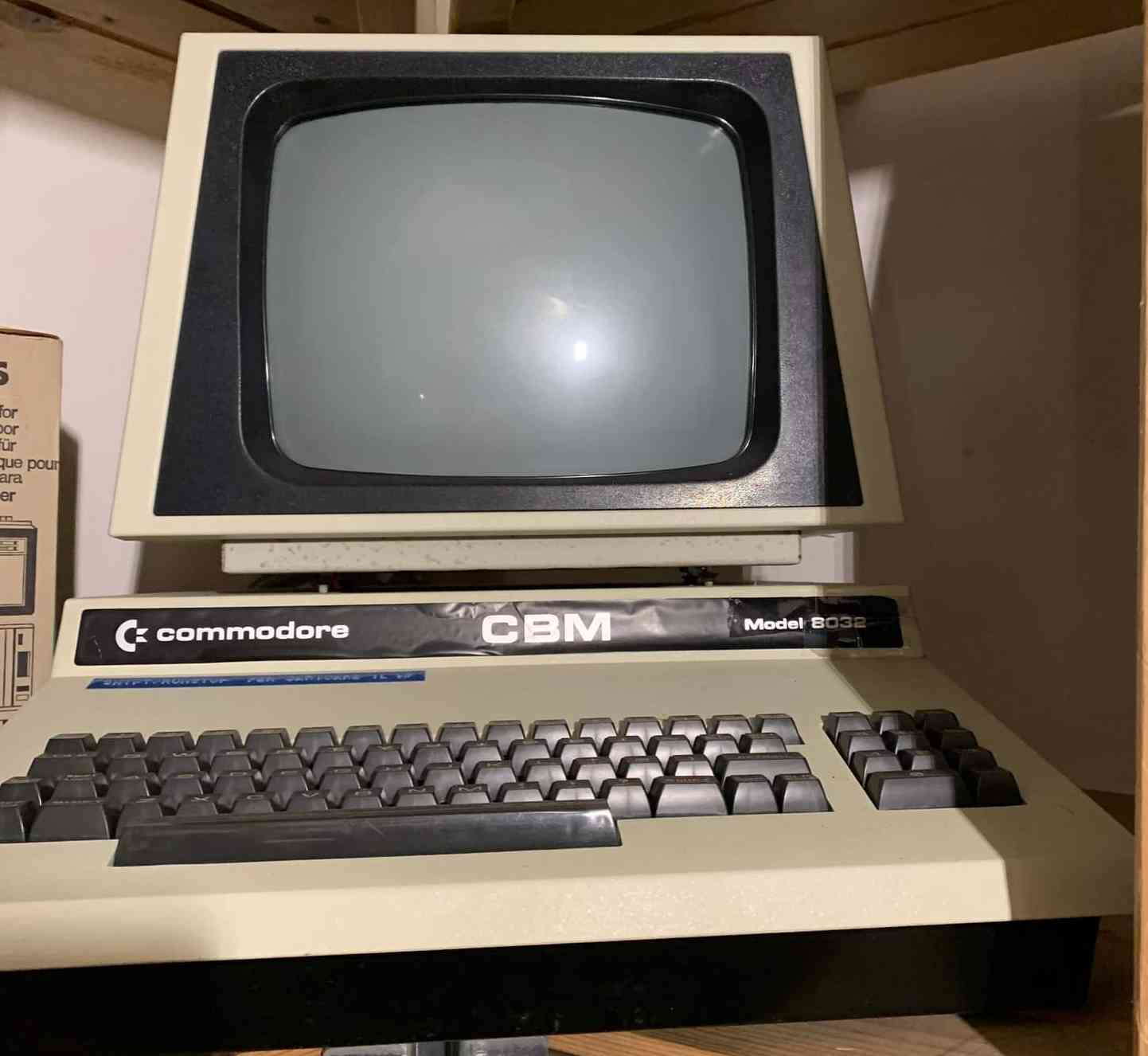
The Commodore PET 8032 is a line of personal computers produced starting in 1977 by Commodore International. A single all-in-one case combines a MOS Technology 6502 microprocessor, Commodore BASIC in read-only memory, keyboard, computer monitor, and, in early models, a cassette deck.
Development of the system began in 1976 and a prototype was demonstrated at the January 1977 Consumer Electronics Show. A series of problems delayed production versions until December 1977, by which time the TRS-80 and Apple II had already begun deliveries. Byte referred to the three machines collectively as the "1977 trinity".
The PET design underwent a series of updates: more memory, better keyboard, larger screen, and other modifications. The systems were a top seller in the Canadian and United States education markets, as well as for business use in Europe.
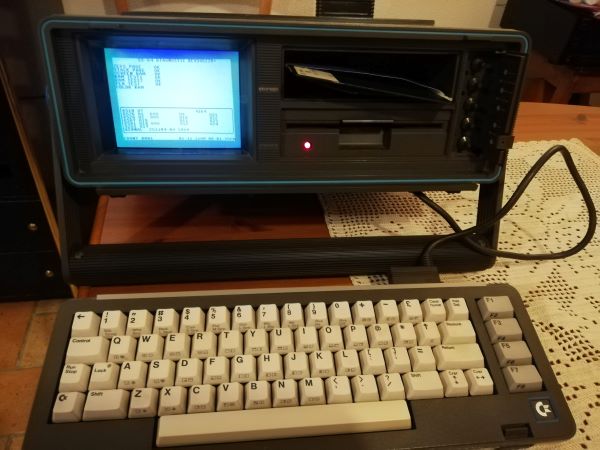 The Commodore SX-64, also known as the Executive 64, or VIP-64 in Europe, is a portable, briefcase/suitcase-size "luggable" version of the popular Commodore 64 home computer and the first full-color portable computer.
The SX-64 features a built-in five-inch composite monitor and a built-in 1541 floppy drive. It weighs 10.5 kg (23 lb). The machine is carried by its sturdy handle, which doubles as an adjustable stand. It was announced in January 1983 and released a year later, at 995 USD (equivalent to $2,595 in 2021).
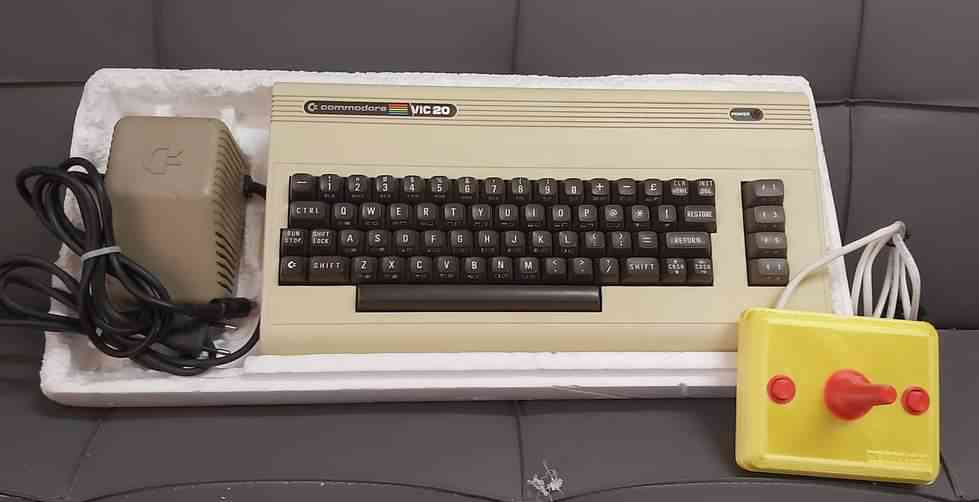
The Commodore VIC-20 (known as the VC-20 in Germany and the VIC-1001 in Japan) is an 8-it home computer that was sold by Commodore Business Machines. The VIC-20 was announced in 1980, roughly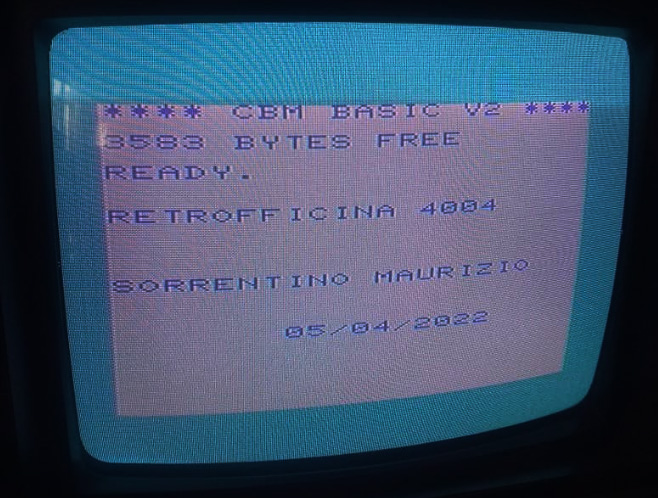 three years after Commodore's first personal computer, the PET. The VIC-20 was the first computer of any description to sell one million units. It was described as "one of the first anti-spectatorial, non-esoteric computers by design...no longer relegated to hobbyist/enthusiasts or those with money, the computer Commodore developed was the computer of the future."
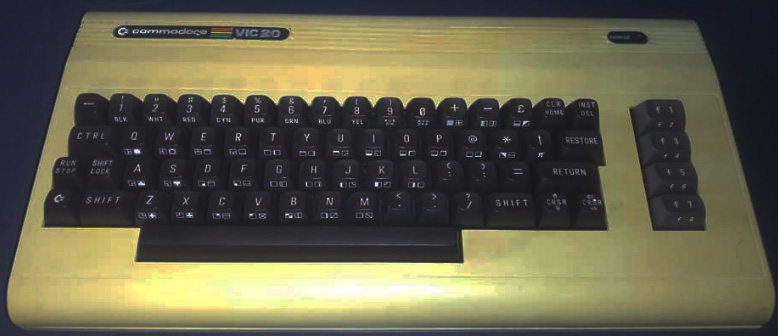 The VIC-20 was called VC-20 in Germany because the pronunciation of VIC with a German accent sounds like the German expletives "fick" or "wichsen". The term VC was marketed as though it were an abbreviation of VolksComputer ("people's computer," similar to Volkswagen and Volksempfänger).
 LED Watch CBM TIME - Commodore France
Remember the golden age of home computing? Introduced in 1980 .... COMMODORE 64 was the most popular home computer of the day. Before Commodore produced this landmark system....this same company produced a very cool LED watch! 1975..


.jpg) THEC64 (2019). The C64 is back, this time in full size and featuring a fully functional keyboard for fans of the best-selling computer of all time. The included joystick has been upgraded with micro switches, making the built-in games more fun than ever. It allows you to load and save your own files and games via USB flash drive and to program in C64 or VIC-20 BASIC.
THEC64 (2019). The C64 is back, this time in full size and featuring a fully functional keyboard for fans of the best-selling computer of all time. The included joystick has been upgraded with micro switches, making the built-in games more fun than ever. It allows you to load and save your own files and games via USB flash drive and to program in C64 or VIC-20 BASIC.
64 games included, with the option to add more
Alleykat, Anarchy, Attack of the Mutant Camels, Avenger, Battle Valley, Bear Bovver, Boulder Dash, Bounder, California Games, Chips Challenge, Confuzion, Cosmic Causeway, Cyberdyne Warrior, Cybernoid II, Deflektor, Destroyer, Everyone's a Wally, Firelord, Galencia, Gateway to Apshai, Gribbly's Day Out, Gridrunner (VIC 20), Heartland, Herobotix, Highway Encounter, Hover Bovver, Impossible Mission, Impossible Mission II, IO, Iridis Alpha, Jumpman, Mega Apocalypse, Mission AD, Monty Mole, Monty in fuga, Nebulus, Netherworld, Nodi di Yesod, Paradroid, Pitstop II, Planet of Death, Psychedelia (VIC 20), Ranarama, Robin of the Wood, Silicon Warrior, Skate Crazy, Speedball 2, Spindizzy, Steel, Street Sports Baseball , Street Sports Basketball, Summer Games II (include eventi Summer Games), Super Cycle, Sword of Fargoal, Temple of Apshai Trilogy,The Arc of Yesod, Thing Bounces Back, Thing on a Spring, Trailblazer, Uridium, Chi osa vince II, Giochi invernali, Giochi mondiali, Zynap.
Here it is on display at the World Chili Fair 2025
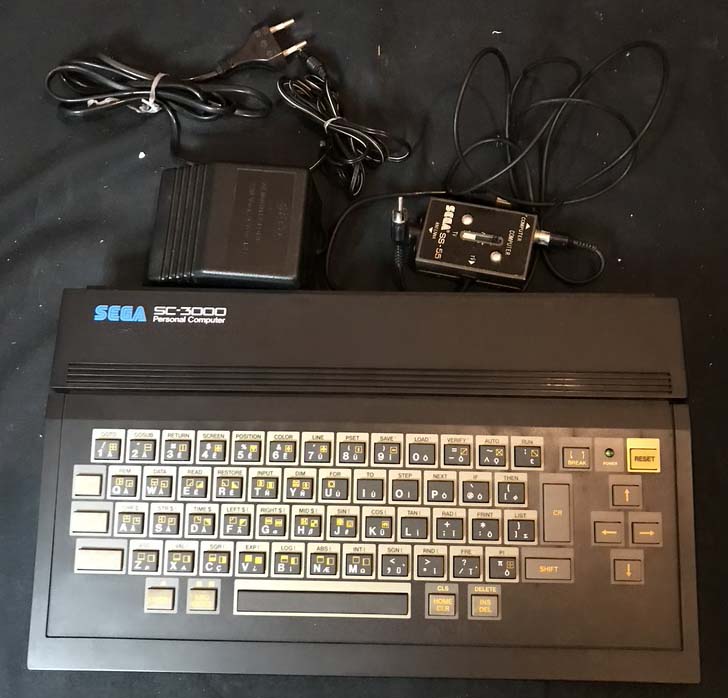 The SG-1000, also known as the Sega Game 1000 or Sega Mark I, is a home video game console manufactured by
 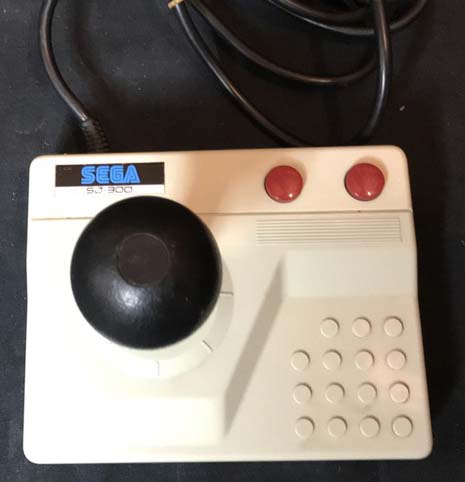 Sega and released in Japan, Australia, New Zealand, and other regions. It was Sega's first entry into the home video game hardware business. Introduced in 1983, the SG-1000 was released on the same day that Nintendo released the Family Computer in Japan. The SG-1000 was released in several forms, including the SC-3000 computer and the redesigned SG-1000 II released in 1984. A third iteration of the console, the Sega Mark III, was released in 1985. It provided a custom video display processor over previous iterations and served as the basis for the Master System in 1986,
 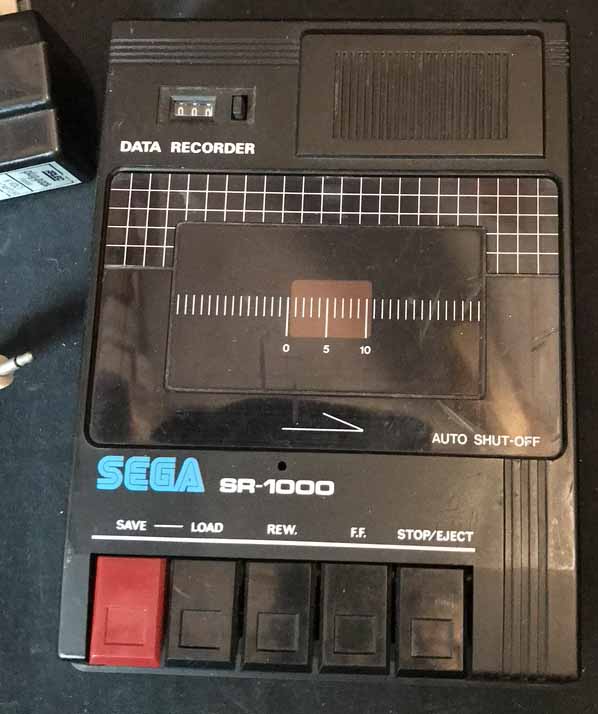 Sega's first internationally released console.
Developed in response to a downturn in arcades in 1982, the SG-1000 was created on the advice of Hayao Nakayama, president of Sega Enterprises, Ltd. Shortly after the release, Sega Enterprises was sold to CSK Corporation, which was followed by the release of the SG-1000 II. The SC-3000 and the SG-1000 line both support a library of 76 ROM cartridge games and 29 Sega My Card games, all of which are fully compatible with the Mark III and the Japanese version of the Master System.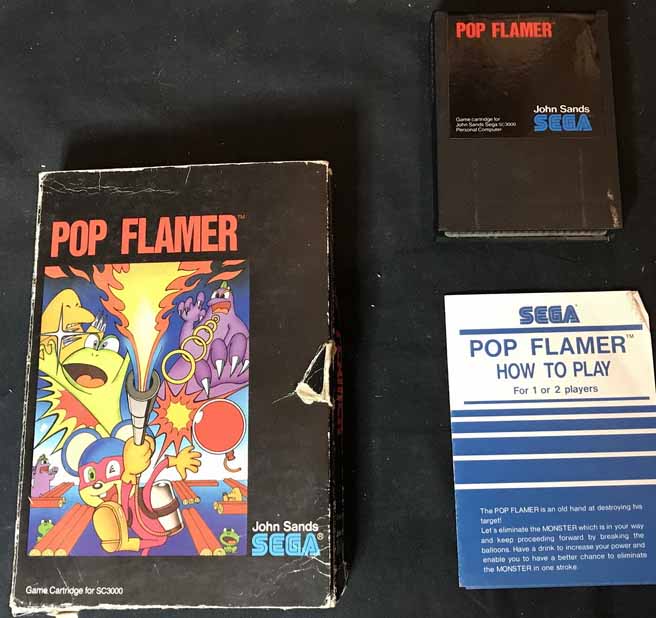
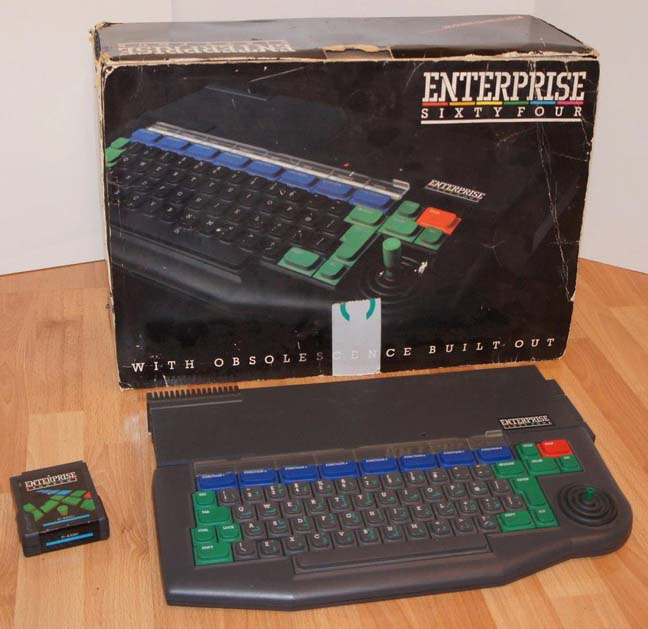 The Enterprise is a Zilog Z80-based home computer announced in 1983, but through a series of delays, not commercially available until 1985. The specification as released was powerful and one of the higher end in its class (though not by the margin envisaged in 1983). This was due to the use of ASICs for graphics and sound which took workload away from the
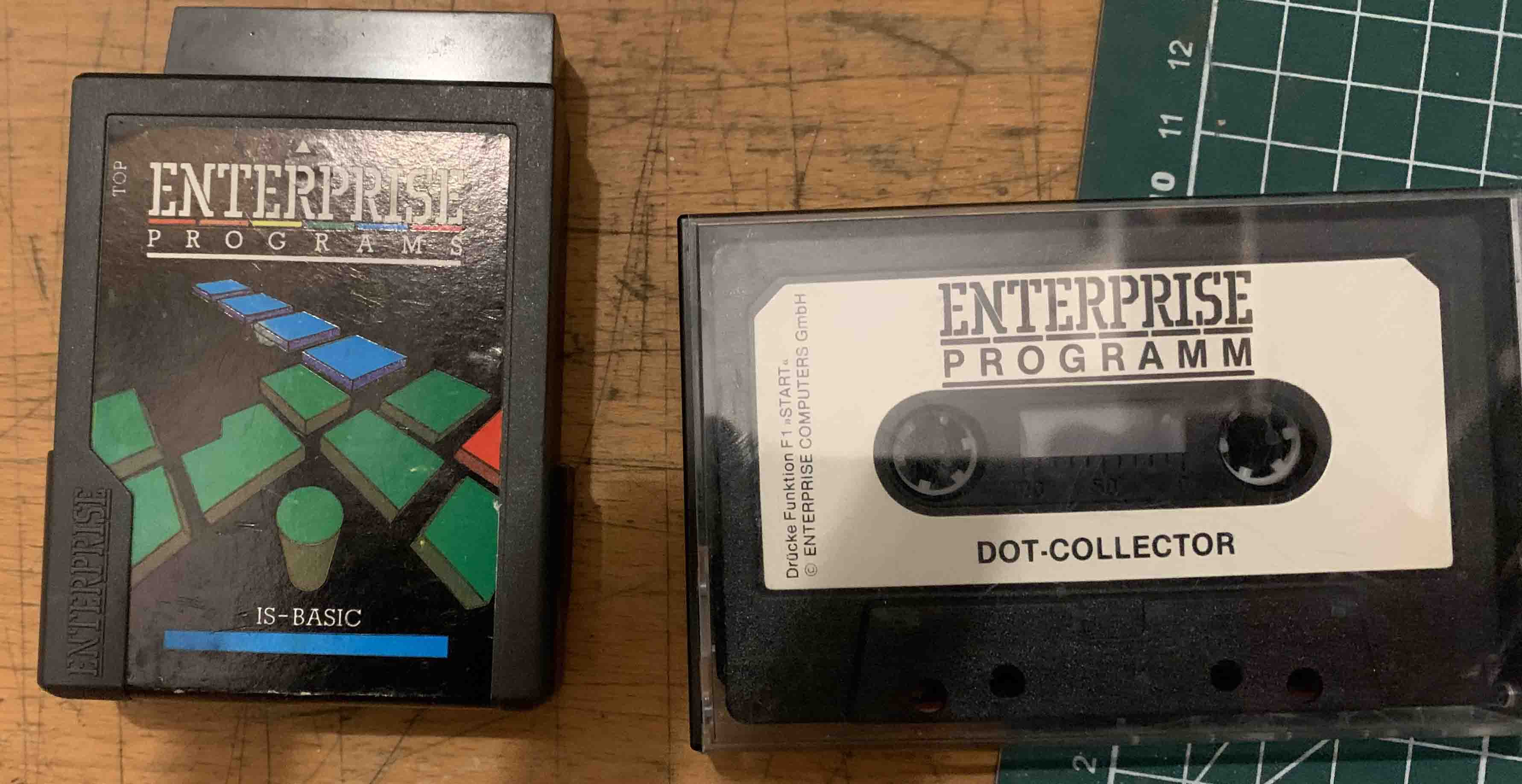 CPU, an extensive implementation of ANSI BASICand a bank switching system to allow for larger amounts of RAM than the Z80 natively supported. It also featured a distinctive and colourful case design, and promise of multiple expansion options. Ultimately it was not commercially successful, after multiple renames, delays and a changing market place. Its manufacturer calling in the receivers in 1986 with
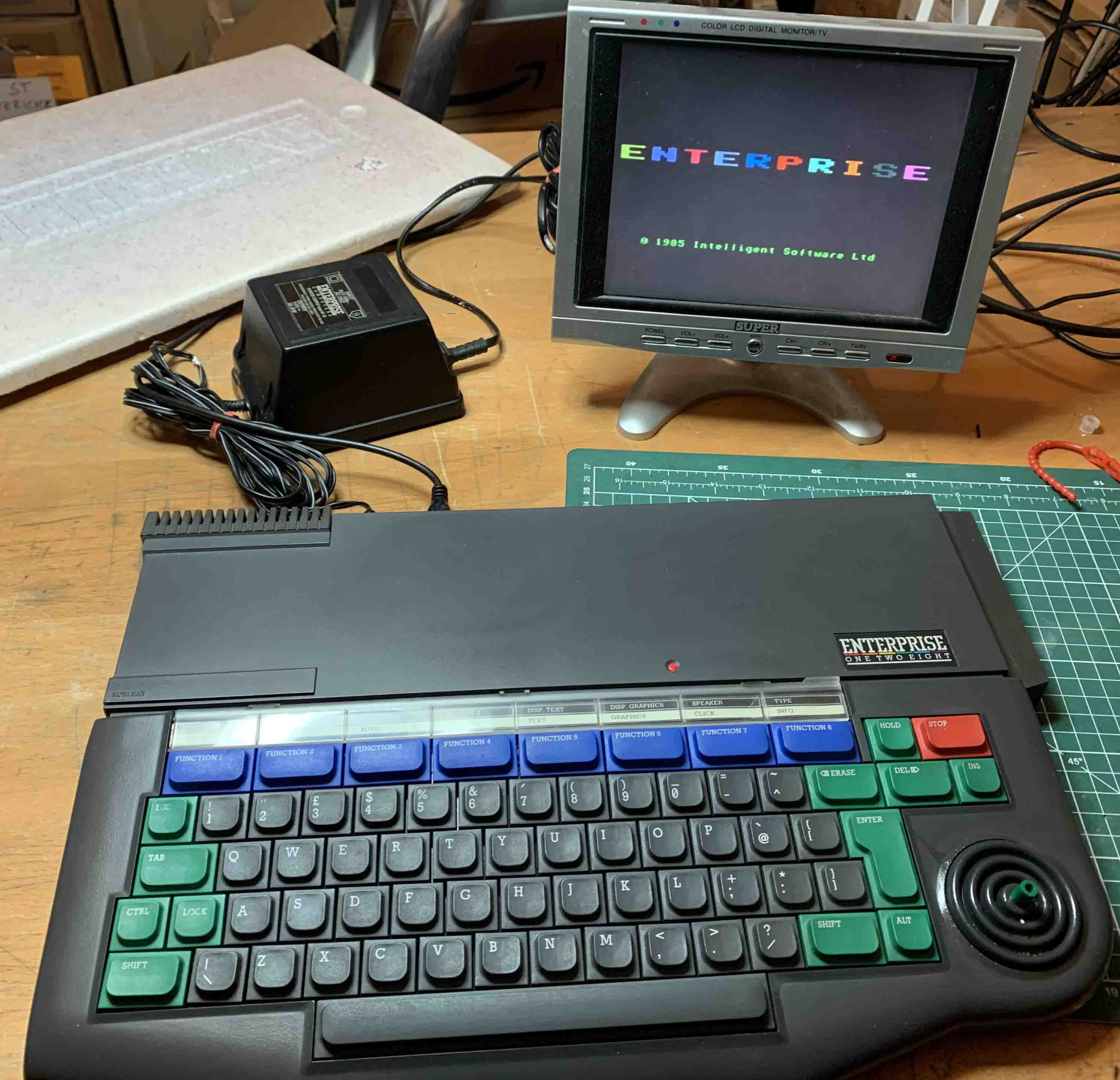 significant debt. It was developed by British company Intelligent Software and marketed by Enterprise Computers. Its two variants are the Enterprise 64, with 64 kilobytes of Random Access Memory (RAM), and the Enterprise 128, with 128 KB of RAM.
.jpg)
.jpg)
.jpg)
-
- Aquarius is a home computer designed by Radofin and released by Mattel Electronics in 1983. Based on the Zilog Z80 microprocessor, the system has a rubber chiclet keyboard, 4K of RAM, and a subset of Microsoft BASIC in ROM. It connects to a television set for audiovisual output, and uses a cassette tape recorder for secondary data storage. A limited number of peripherals, such as a 40-column thermal printer, a 4-color printer/plotter, and a 300 baud modem, were released. The Aquarius was discontinued in October 1983, only a few months after it was launched.us.
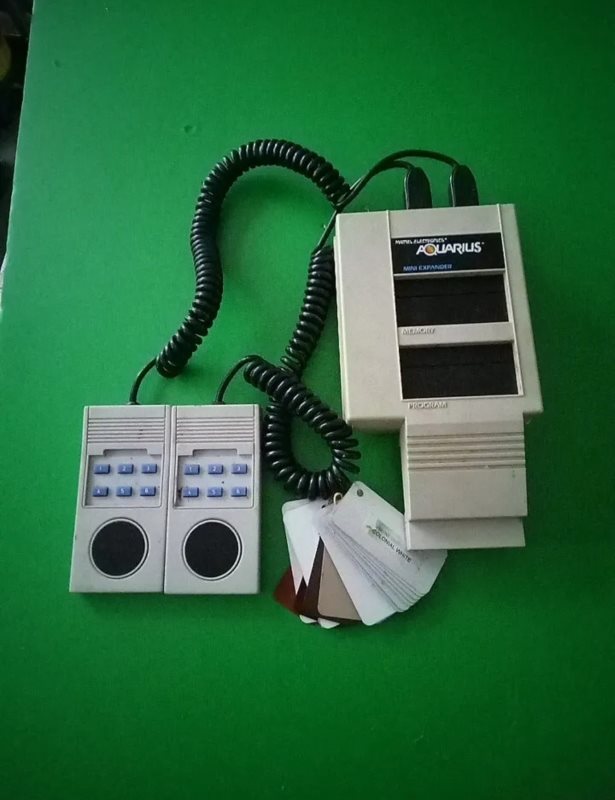
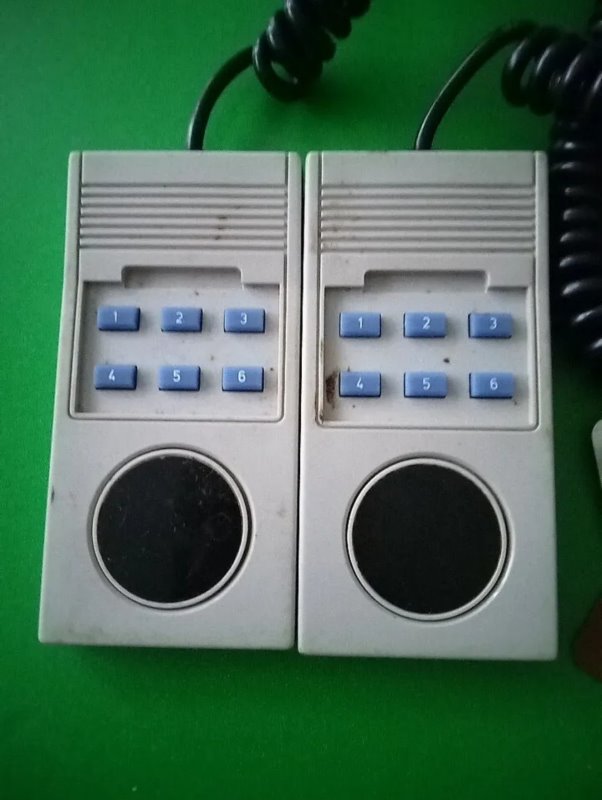
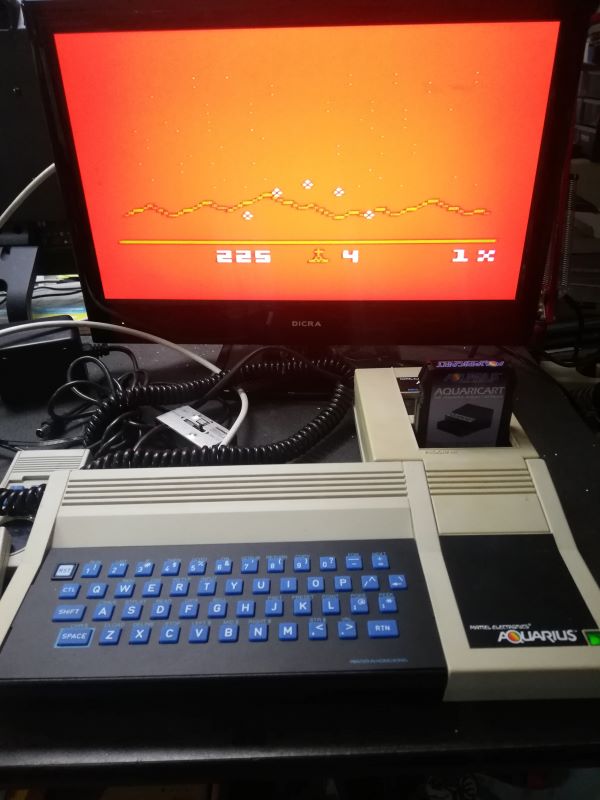
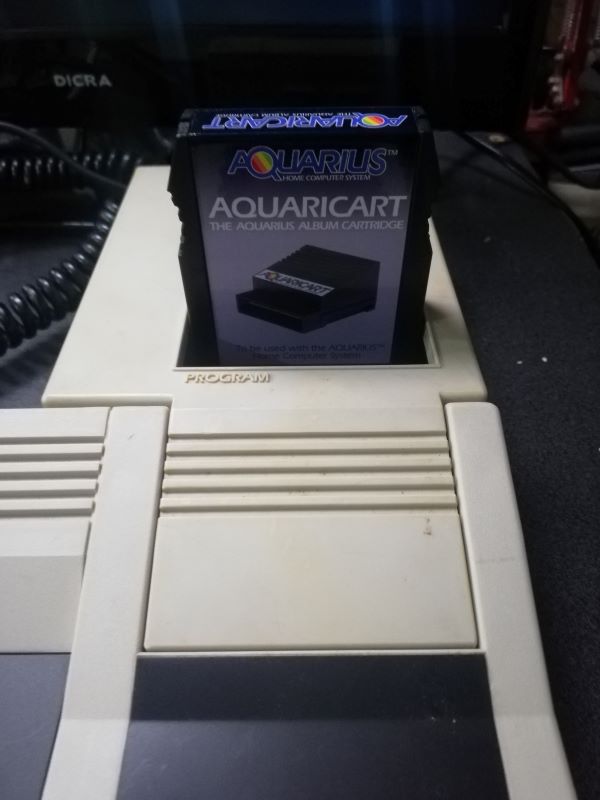 Object is a memory and program cartridge expansion unit and 2 game controllers for the Aquarius home computer system in original system box. Game controllers in original plastic; mini expander has been used; original Styrofoam packing in place. Year 1983
Model: Aquarius
Adapter: Non-removable external power supply hard-wired into case providing 8.8 / 16 / -19 VDC
Year: 1983
Keyboard: 48-key rubber chiclet keyboard
Cpu: Zilog Z80 Speed: 3,5 mhz CO-processor: x Ram: 4k (expandable to 36k) Sound: One voice, expandable to four voices
Display: 80x72 semigraphics in 16 colors (TEA1002 chip, 40x24 text characters - with a 25th "zero" row at top - with a size of 8x8 pixels, equivalent to 320 x 192 pixels)
Size - Weight: 34,5 (W) x 15 (D) x 5,5 (H) cm.
I/O ports: Television, cartridge/expansion, tape recorder, printer
Media: x OS: Aquarius Basic
Peripherals: Mini expander, Data recorder, Thermal Printer, color printer, Modem, 4K RAM, Quick Disk, 32k RAM, Micro expander
Price: 49.90 $ (1984)
.jpg) The Osborne 1 is the first commercially successful portable computer, released on April 3, 1981 by Osborne Computer Corporation. It weighs 24.5 lb
The Osborne 1 is the first commercially successful portable computer, released on April 3, 1981 by Osborne Computer Corporation. It weighs 24.5 lb.jpg) (11.1 kg), cost US$1,795, and runs the CP/M 2.2 operating system. It is powered from a wall socket, as it has no on-board battery, but it is still classed as a portable device since it can be hand-carried when the keyboard is closed.
(11.1 kg), cost US$1,795, and runs the CP/M 2.2 operating system. It is powered from a wall socket, as it has no on-board battery, but it is still classed as a portable device since it can be hand-carried when the keyboard is closed..jpg)
The computer shipped with a large bundle of software that was almost equivalent in value to the machine itself, a practice adopted by other CP/M computer vendors. Competitors quickly appeared, such as the Kaypro II.
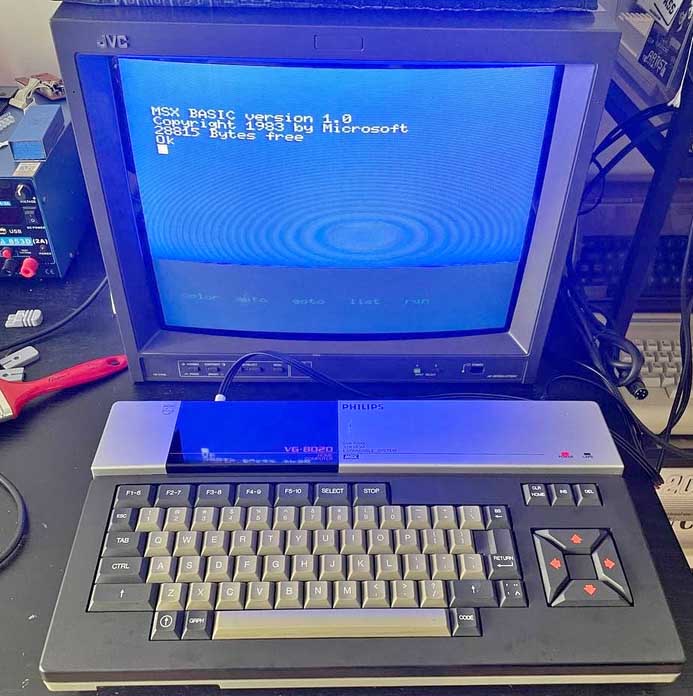 The VG 8020 was Philips' third MSX 1 computer, after the VG8000 (which did not even have a printer port) and the VG8010 computers.This version had a real keyboard, not a chiclet keyboard like its predecessors. The VG-8020 was released in 1984 and featured a Zilog Z80A microprocessor clocked at 3.56 MHz, 64KB of RAM, 16KB of VRAM, and two cartridge slots.
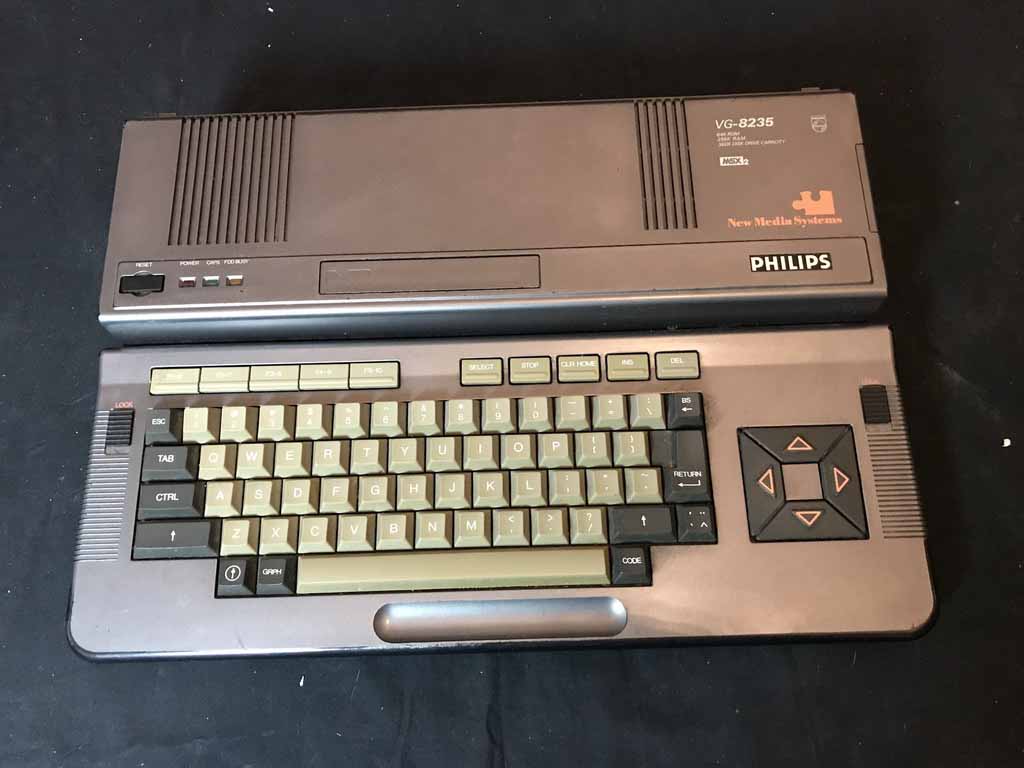 The Philips VG-8235 was an MSX-2 - home computer from Philips and came in 1986 to the market. The new price at that time
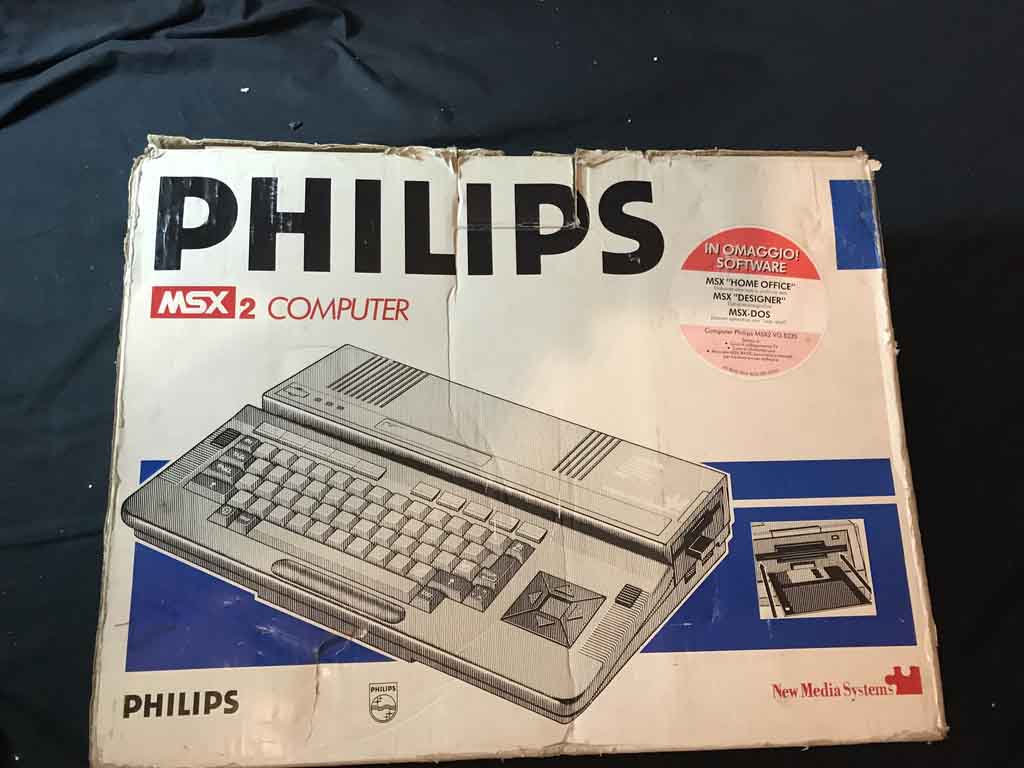 was around 1500 DM . The VG-8235 was one of the best equipped MSX home computers at the time. It had already integrated a 3.5 inch floppy disk drive (capacity 360 KByte) and was equipped with 128 KByte video memory. The video memory enabled different screen modes with a maximum resolution of 512 × 212 with 256 colors.
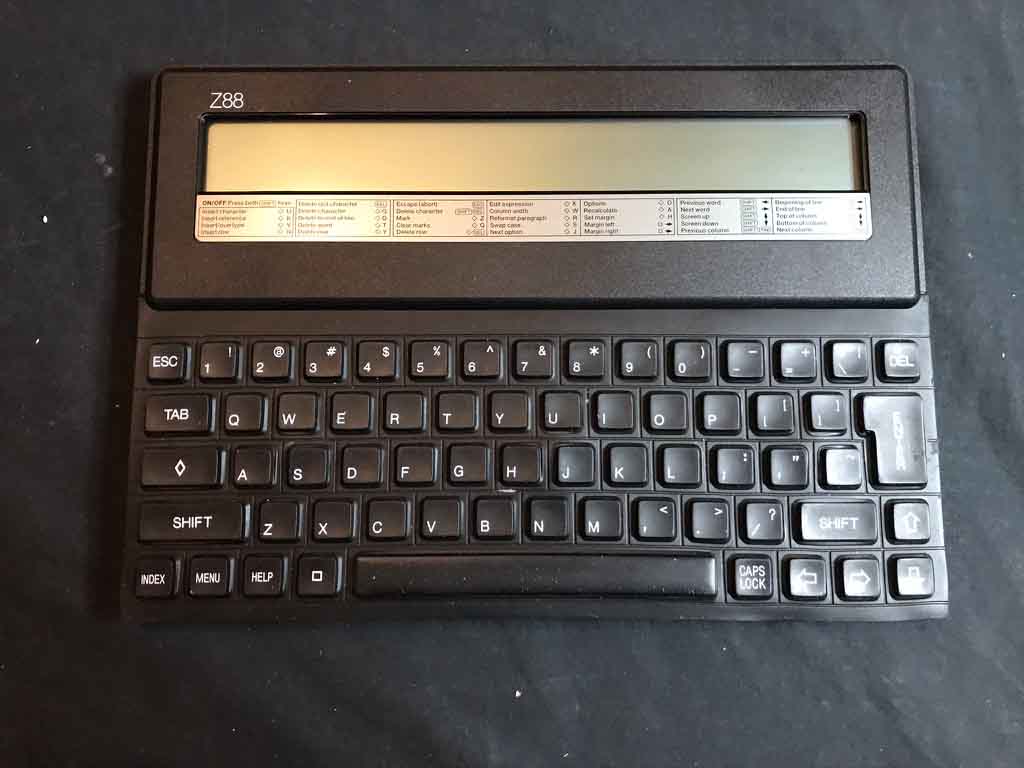 The Cambridge Z88 is a portable computer designed by Clive Sinclair and marketed by Cambridge Computers
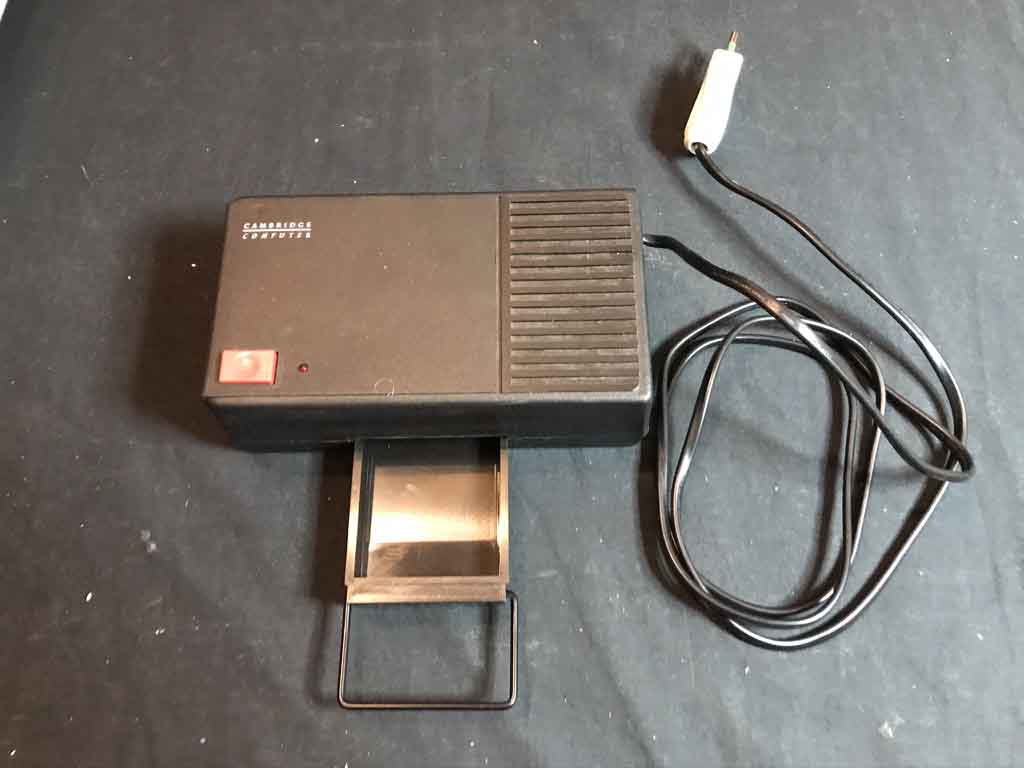 Ltd. since 1988 . It is a laptop based on the Zilog Z80A microprocessor operating at 3.28 MHz . Power is supplied by common AA batteries which guarantee a maximum autonomy of 20 hours.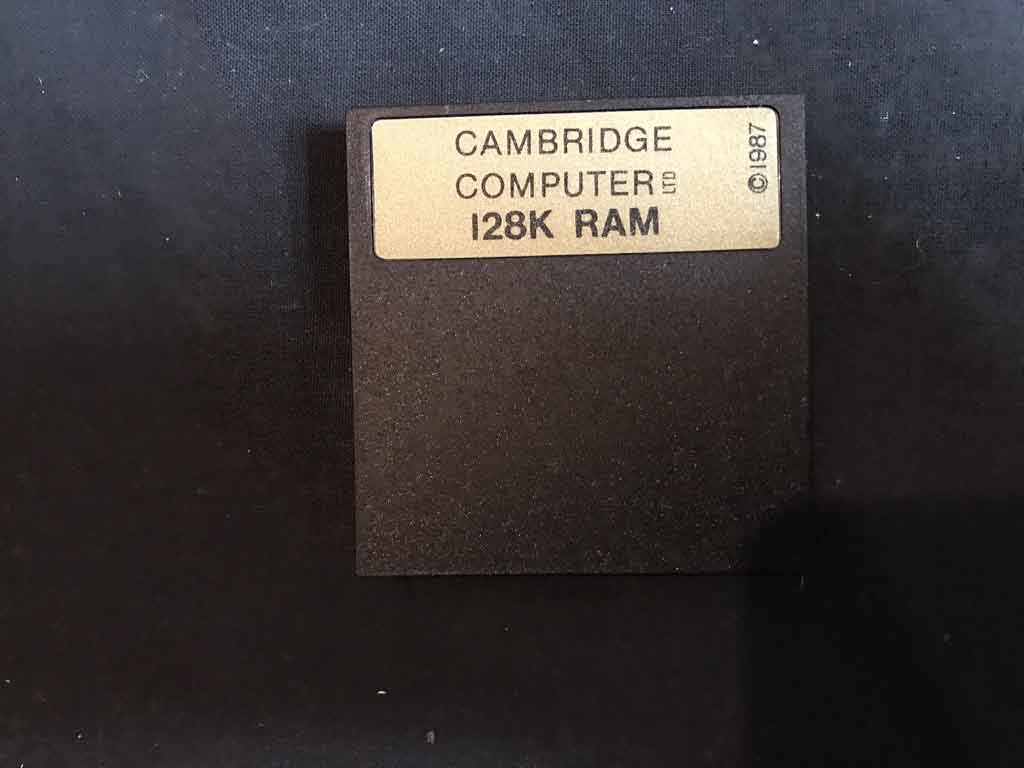
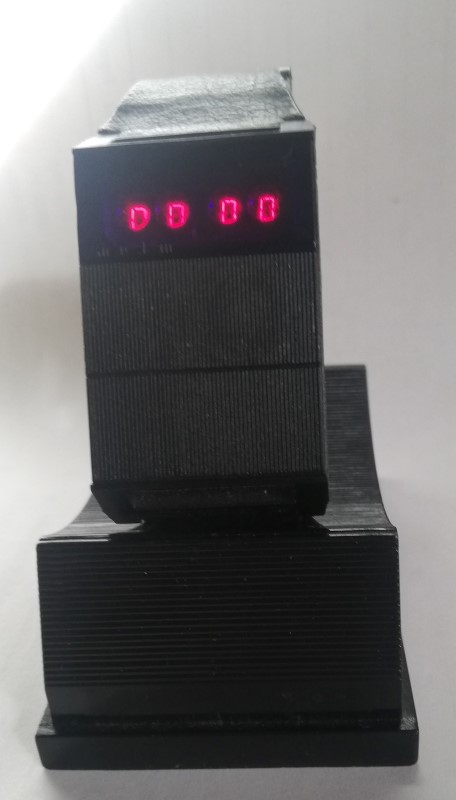 The Black Watch is an electronic wristwatch launched in September 1975 by Sinclair Radionics. It cost £24.95 ready-built, but was also available for £17.95
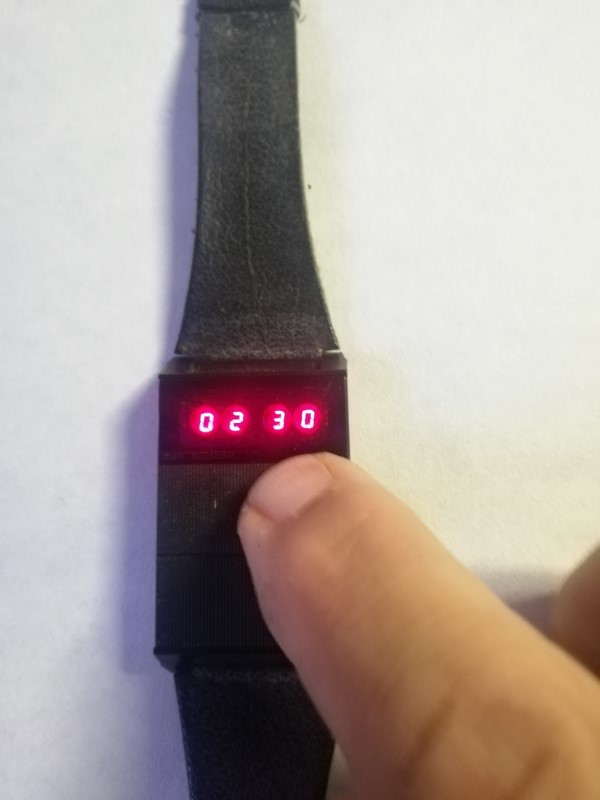 , as a kit.[These prices are equivalent to around £190 and £140 respectively in 2021, when adjusted for inflation.
The Black Watch was supplied with a plastic band as standard, with a black stainless steel bracelet available as an extra at £2.00.
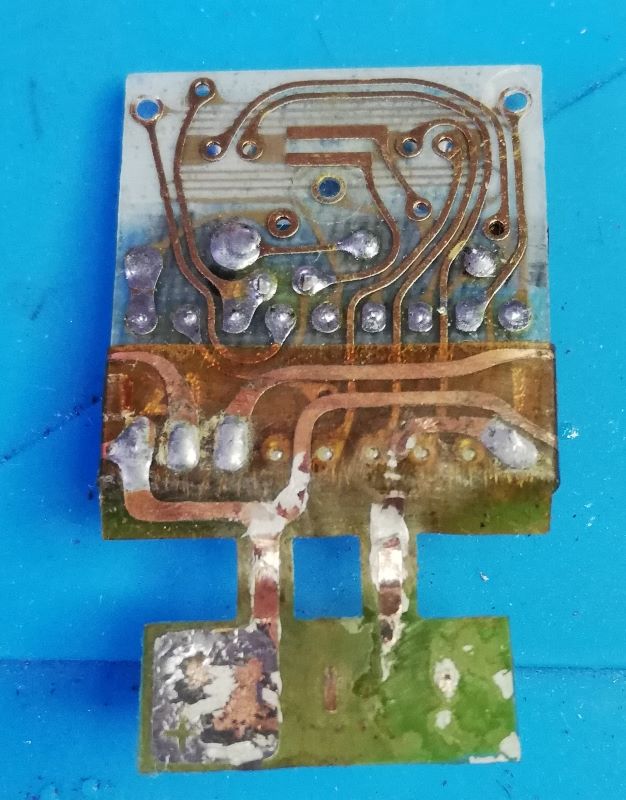 I'm a fan of watches especially Texas Instruments, but when I come across watches like this 1975 Sinclair black watch I don't let it get away. Unfortunately he had problems with corrosion from the usual button cell batteries.
I solved, as often happens with objects with corroded pcb, to use 0.03 mm copper sheets. You have to clean up the damaged part and copy the part of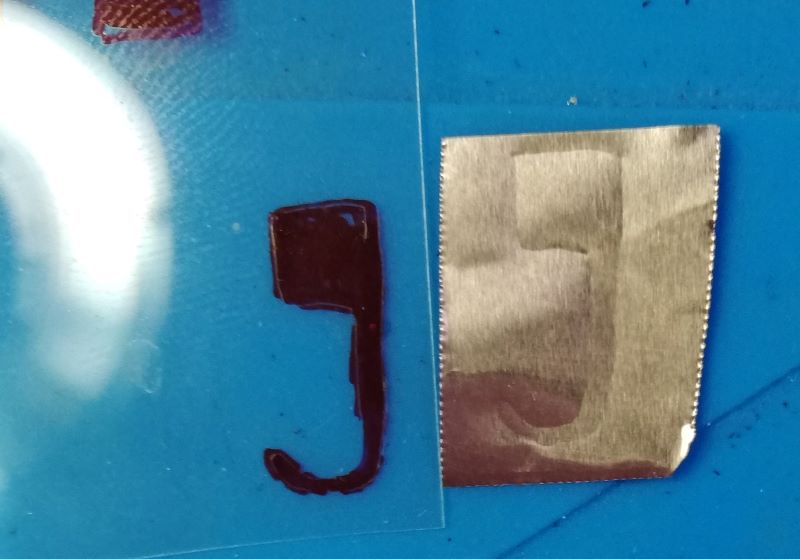 the PCB to be reproduced on a transparent sheet, copy it on the copper sheet and cut it.
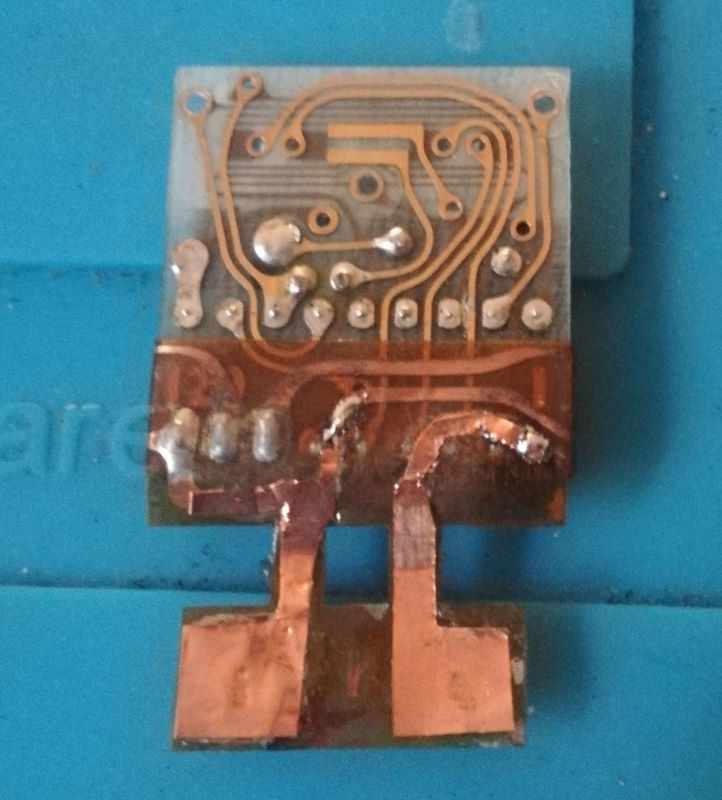 Then glue the pcb reproduced with silicone or with glue for gold leaf, I prefer the latter. Put it all together and you're done.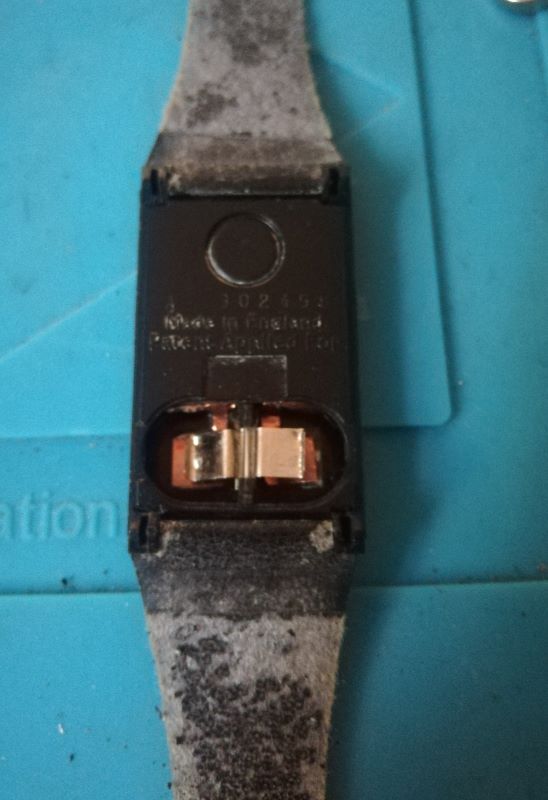
Wikipedia Sinclair Black Watch
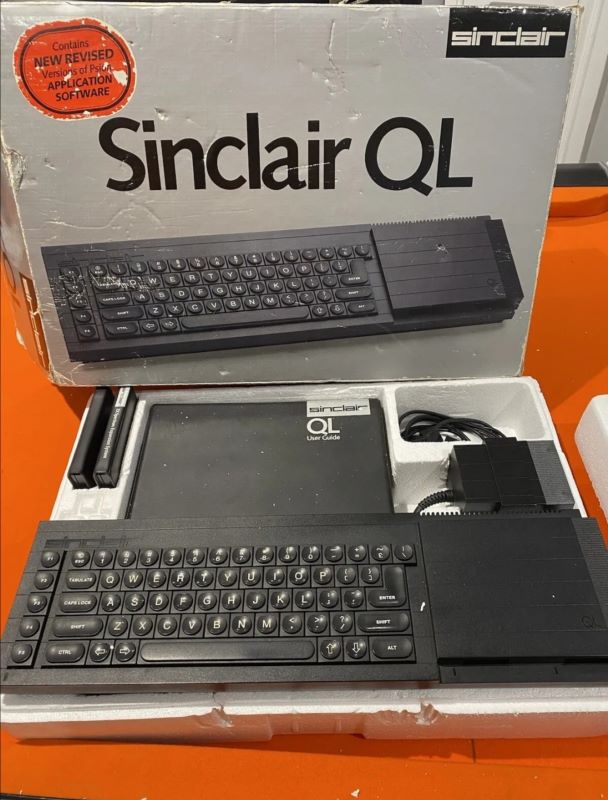
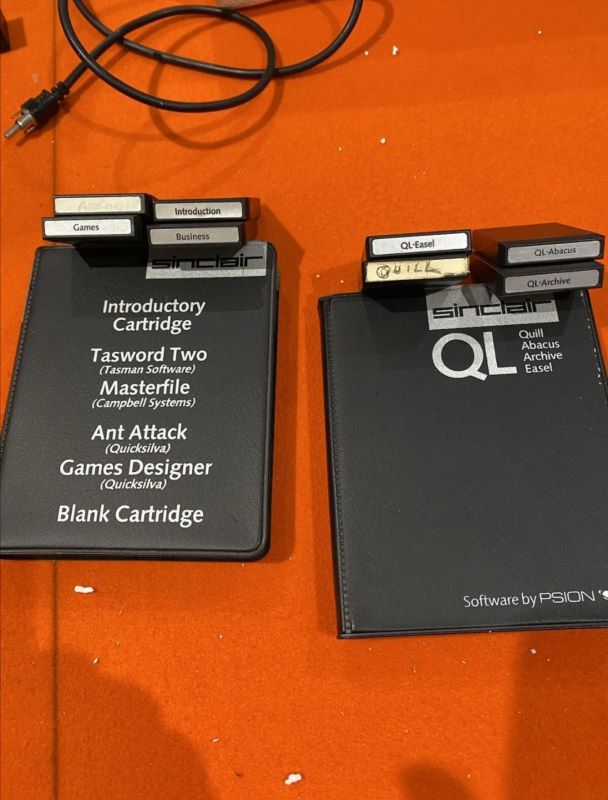
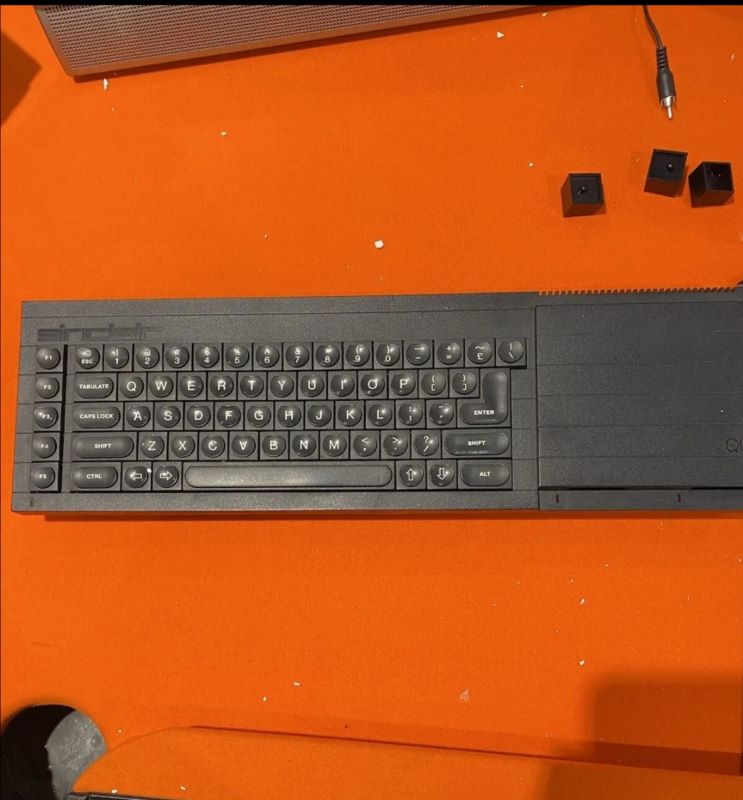 The Sinclair QL (for Quantum Leap) is a personal computer launched by Sinclair Research in 1984, as an upper-end counterpart to the ZX Spectrum.
The QL was aimed at the serious home user and professional and executive users markets from small to medium-sized businesses and higher educational establishments, but failed to achieve commercial success.
While the ZX Spectrum has an 8-bit Zilog Z80 as the CPU, the QL uses a Motorola 68008. The 68008 is a member of the Motorola 68000 family with 32-bit internal data registers, but an 8-bit external data bus.
TroubleShooting
Power-on problem: White screen, possible faulty RAM memory.

 I recommend installing the "Minerva" eprom, FW developed to give a new basic, but above all to help turn on the QL. Remove the two original EPROMs and insert the socket with the new EPROM.
 in case of error a screen like this will appear. This window tells us that the first line is the value that is written to RAM, the second line is the read value, the third is the memory address.


In this case, a little program developed by XAD at this address comes to our aid: https://www.nightfallcrew.com/minervaram/index.php
We enter the data and we will have an indication of the faulty RAM. In our case the U4.
IF < $30000 (ADDRESS) = IC8 ,IC7 ,IC6 ,IC5 ,IC4 ,IC3 ,IC2 ,IC1
IF > $30000 (ADDRESS) = IC16 ,IC15 ,IC14 ,IC13 ,IC12 ,IC11 ,IC10 ,IC9
IF > $40000 Faulty ram is in expansion memory.


Here we can see the operation after the repair.
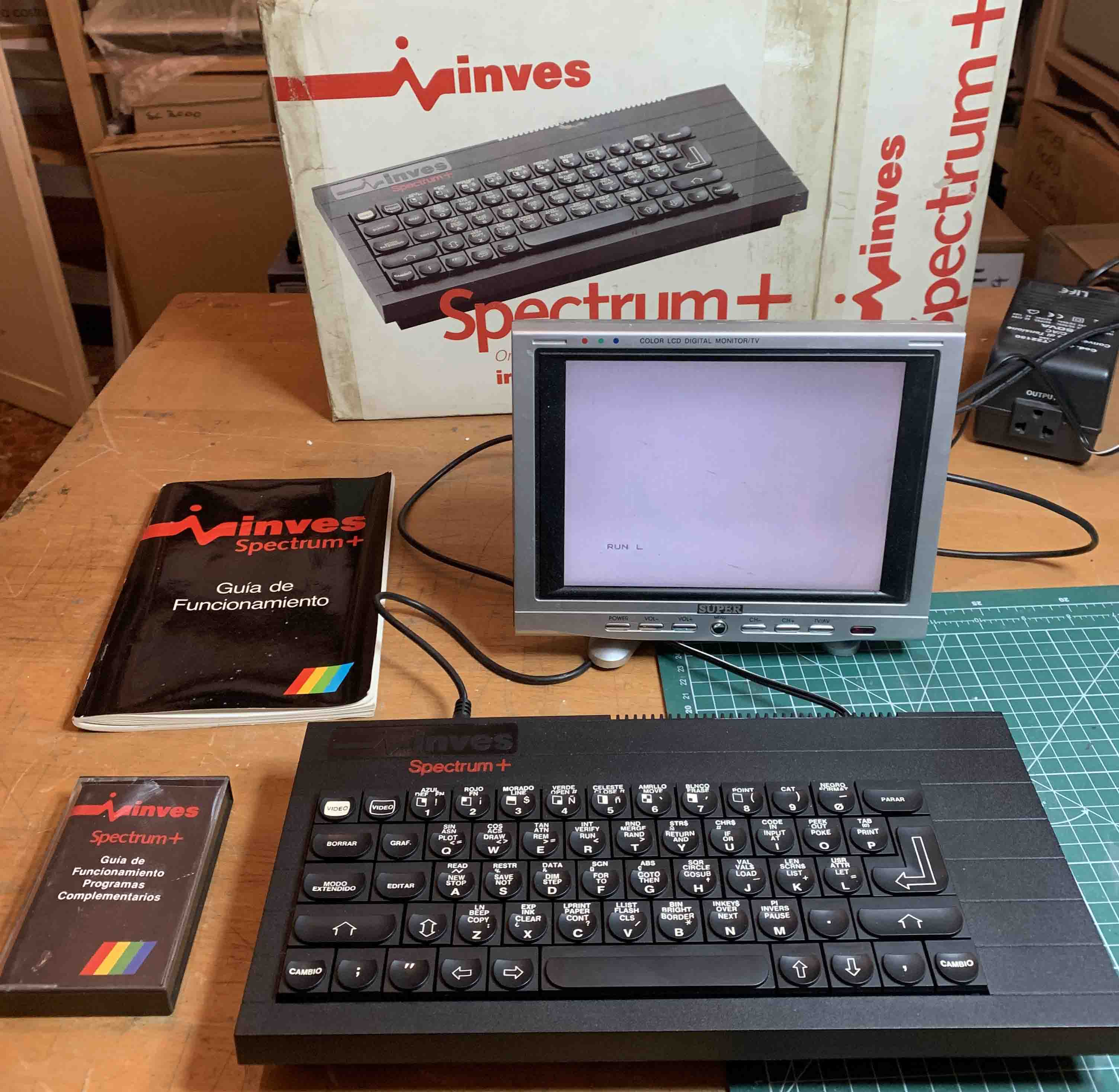 Spectrum Inves +. A clone of the ZX Spectrum+ developed by Investrónica in Spain in 1986, based on the work developed by Investrónica for the ZX Spectrum 128. Released just after Amstrad bought Sinclair Research Ltd, looked much like a normal 48+, but all the inner parts were redesigned. As the ROM was also modified, it has compatibility problems with some games (Bombjack, Commando, Top Gun, etc.).[1] On the rear there was a Kempston joystick connector.
Due to the fact that Invéstronica was the distributor of Sinclair's products in Spain, and because Amstrad already had its own exclusive distributor in Spain (Indescomp, later bought by Amstrad itself), in 1987 Amstrad sued Investrónica to stop the sale of the computer.[2] The court agreed with Amstrad, but the decision was not issued until 1991, when the computer was discontinued as the 8-bit computer market in Spain was dead in favor of 16-bit computers.
.jpg) THE Spectrum (2024) Relive the magic. A true masterpiece of extraordinary design, born to shine and deserve a place in an art gallery. Decorated in its iconic rainbow colors, this fun, eccentric, and extroverted machine rekindles the joy of simple, immediate games, bringing back that pure, spontaneous experience that modern gaming has slowly forgotten.With a timeless aesthetic and vibrant personality, The Spectrum is more than just an updated replica of the legendary 1980s home computer: it is a true interactive work of art, capable of offering everyone a nostalgic, exciting, and surprisingly contemporary gaming adventure.
THE Spectrum (2024) Relive the magic. A true masterpiece of extraordinary design, born to shine and deserve a place in an art gallery. Decorated in its iconic rainbow colors, this fun, eccentric, and extroverted machine rekindles the joy of simple, immediate games, bringing back that pure, spontaneous experience that modern gaming has slowly forgotten.With a timeless aesthetic and vibrant personality, The Spectrum is more than just an updated replica of the legendary 1980s home computer: it is a true interactive work of art, capable of offering everyone a nostalgic, exciting, and surprisingly contemporary gaming adventure.
Here it is on display at the World Chili Fair 2025
48 built-in games
Contains the best genre defining ZX Spectrum games, such as Manic Miner, Head Over Heels, Saboteur! Remastered, The Hobbit, Army Moves and The Great Escape.
Classic Mode
Switch to Classic Mode and dive into the full ZX Spectrum experience, complete with BASIC programming and virtual cassettes.
48K and 128K compatibility
Compatible with games for 48K to 128K ZX Spectrum models.
Save your progress
Save your progress in one of four save-game slots per game, and return at any time.
Rewind mode
Rewind your gameplay at any time by up to 40 seconds to help you get through those difficult levels!
Extended colours
Supports the ULAplus™ colour mode for richer colour palettes that can be applied to any game.
Load your own
Load and play the programs you already own, optionally with the cassette loading effects you remember.
Display frames
Surround your gameplay with one of 12 attractive frames.
HDMI
High Definition output at 720p 50 or 60Hz.
Four USB ports
Four USB ports support the connection of joysticks, gamepads and USB sticks.
Compatible with game controllers
Compatible with many USB game controllers.
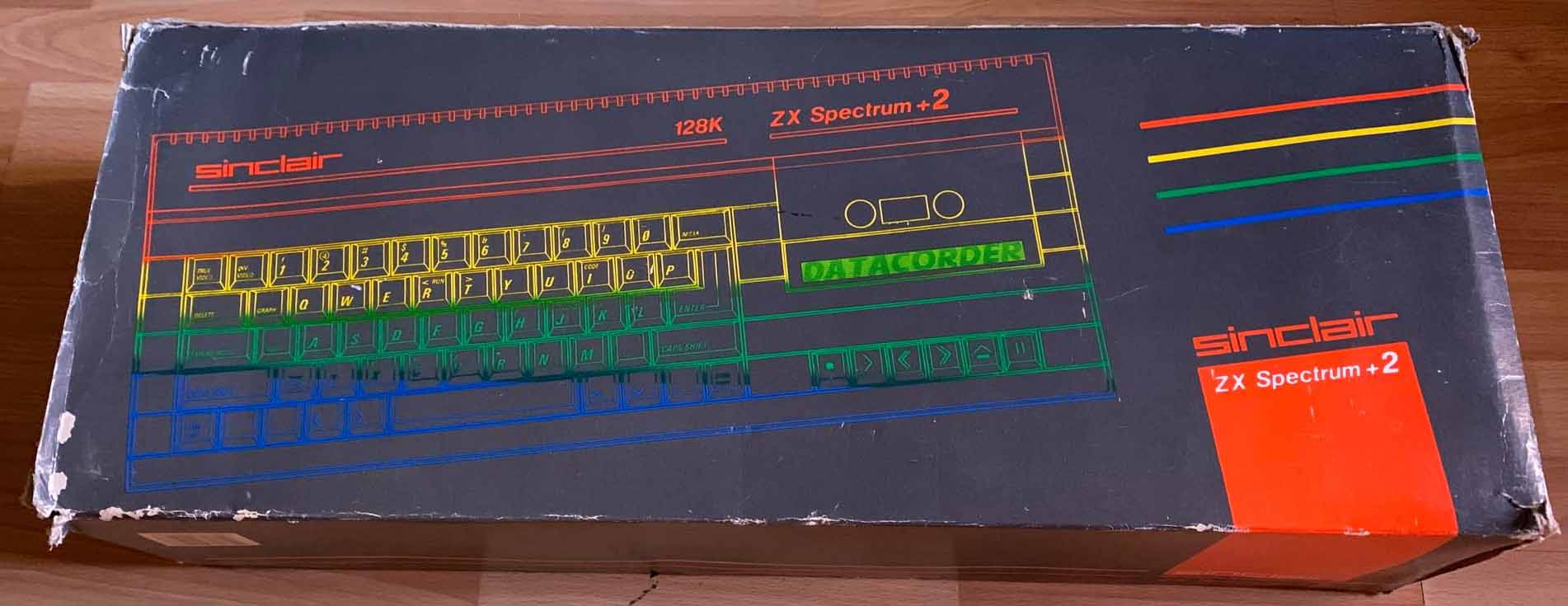
The ZX Spectrum +2 (UK: /zɛdɛks/) is an 8-bit personal home computer developed by Sinclair Research. It was first released in the United Kingdom on 23 April 1982 and went on to become Britain's best selling microcomputer.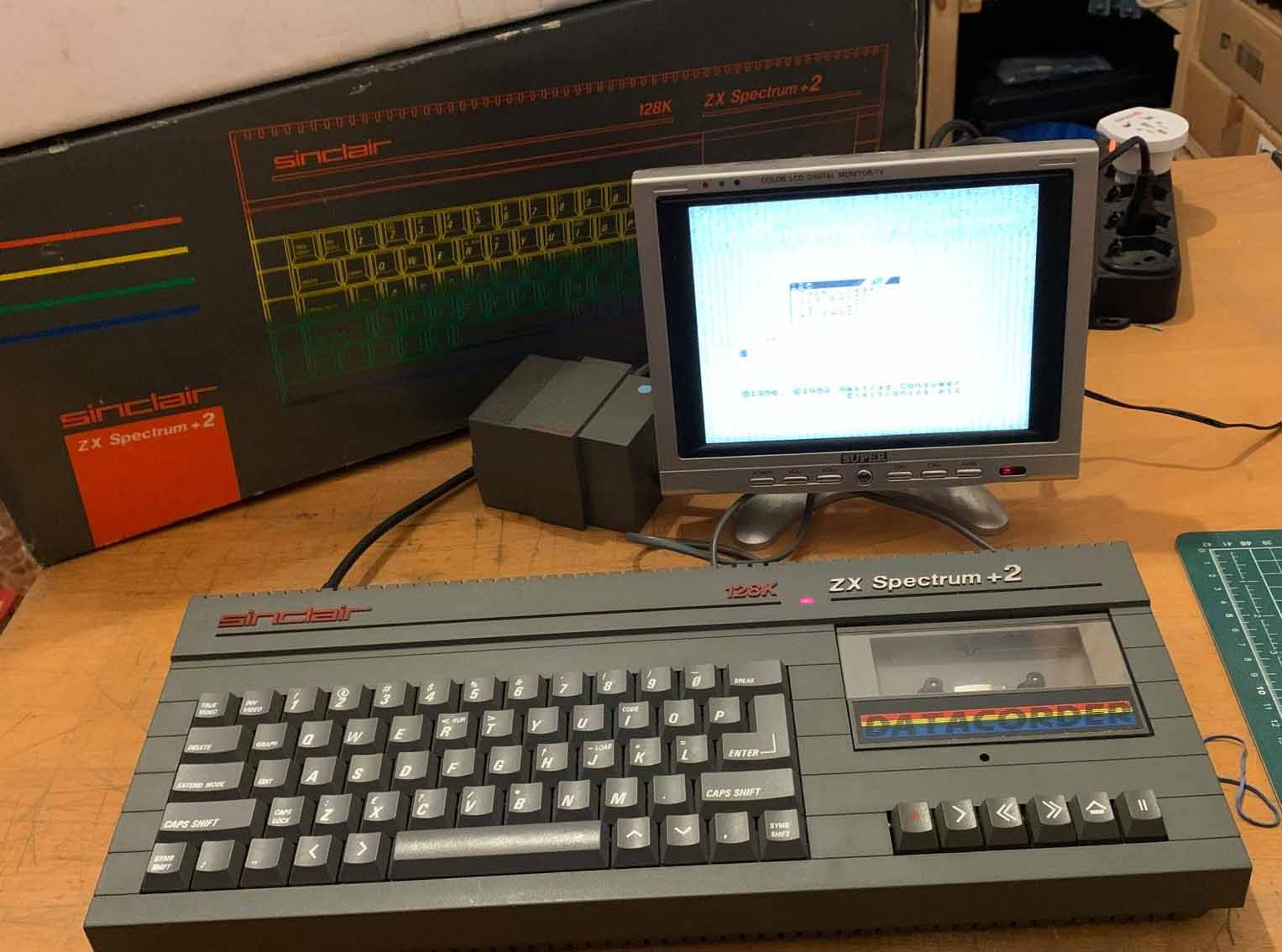
Referred to during development as the ZX81 Colour and ZX82, it was launched as the ZX Spectrum to highlight the machine's colour display, compared with the black and white display of its predecessor, the ZX81. The Spectrum was released as eight different models, ranging from the entry level with 16 KB RAM released in 1982 to the ZX Spectrum +3 with 128 KB RAM and built in floppy disk drive in 1987; altogether they sold over 5 million units worldwide (not counting unofficial clones).
The Spectrum was among the first home computers in the UK aimed at a mainstream audience, similar in significance to the Commodore 64 in the US or the MO5 in France. The introduction of the ZX Spectrum led to a boom in companies producing software and hardware for the machine, the effects of which are still seen. Some credit it as the machine which launched the UK IT industry. Licensing deals and clones followed, earning Clive Sinclair a knighthood for services to British industry.
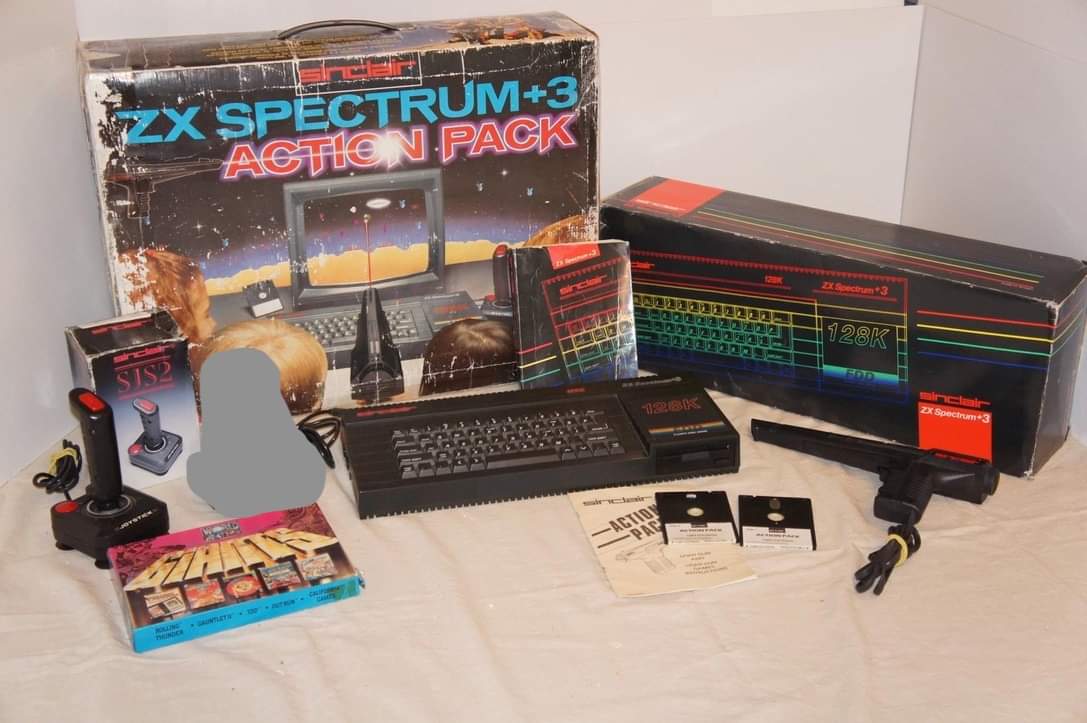
The ZX Spectrum +3 (UK: /zɛdɛks/) is an 8-bit personal home computer developed by Sinclair Research. It was first released in the United Kingdom on 23 April 1982 and went on to become Britain's best selling microcomputer.
Referred to during development as the ZX81 Colour and ZX82, it was launched as the ZX Spectrum to highlight the machine's colour display, compared with the black and white display of its predecessor, the ZX81. The Spectrum was released as eight different models, ranging from the entry level with 16 KB RAM released in 1982 to the ZX Spectrum +3 with 128 KB RAM and built in floppy disk drive in 1987; altogether they sold over 5 million units worldwide (not counting unofficial clones).
The Spectrum was among the first home computers in the UK aimed at a mainstream audience, similar in significance to the Commodore 64 in the US or the MO5 in France. The introduction of the ZX Spectrum led to a boom in companies producing software and hardware for the machine, the effects of which are still seen. Some credit it as the machine which launched the UK IT industry. Licensing deals and clones followed, earning Clive Sinclair a knighthood for services to British industry.
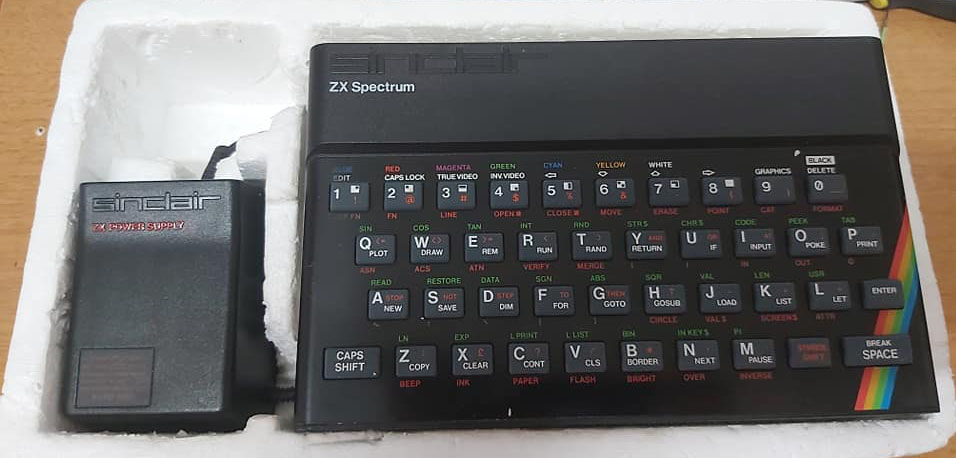 ZX Spectr
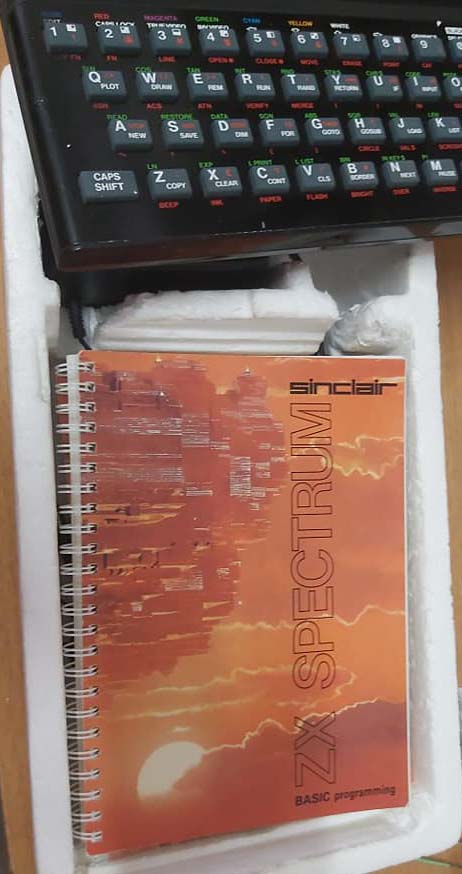 um 16K.
The ZX Spectrum (UK: /zɛdɛks/) is an 8-bit personal home computer developed by Sinclair Research. It was first released in the United Kingdom on 23 April 1982 and went on to become Britain's best selling microcomputer.
Referred to during development as the ZX81 Colour and ZX82, it was launched as the ZX Spectrum to highlight the machine's colour display, compared with the black and white display of its predecessor, the ZX81. The Spectrum was released as eight different models, ranging from the entry level with 16 KB RAM released in 1982 to the ZX Spectrum +3 with 128 KB RAM and built in floppy disk drive in 1987; altogether they sold over 5 million units worldwide (not counting unofficial clones).
The Spectrum was among the first home computers in the UK aimed at a mainstream audience, similar in significance to the Commodore 64 in the US or the MO5 in France. The introduction of the ZX Spectrum led to a boom in companies producing software and hardware for the machine, the effects of which are still seen. Some credit it as the machine which launched the UK IT industry. Licensing deals and clones followed, earning Clive Sinclair a knighthood for services to British industry.
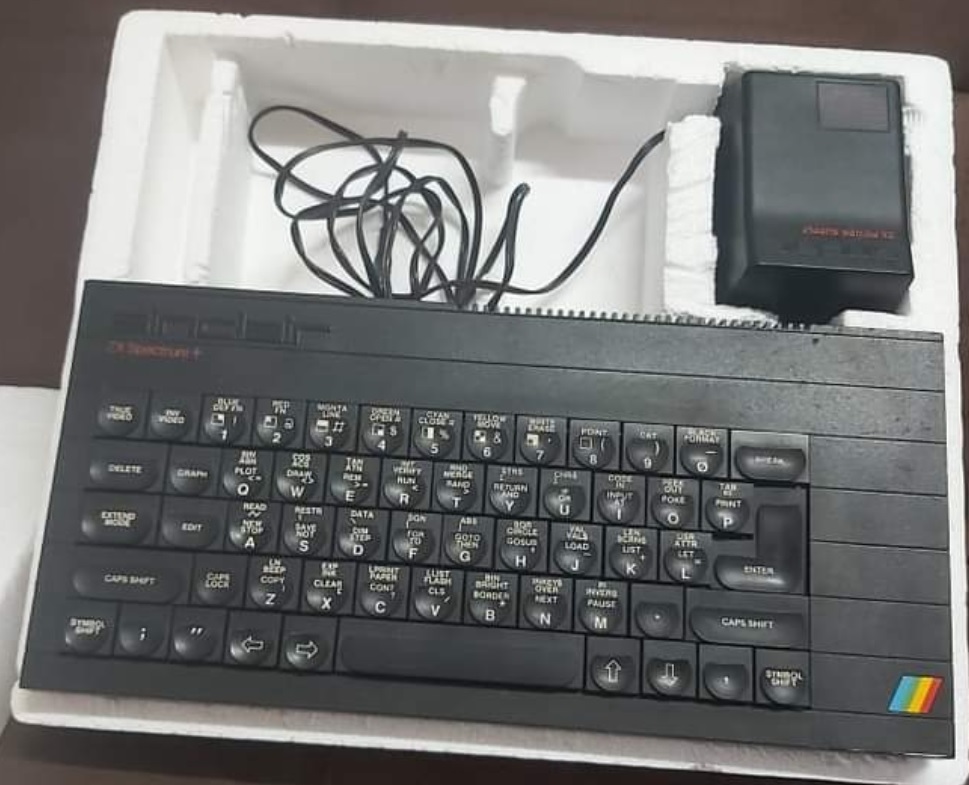 ZX Spectrum+ 48K. Planning of the ZX Spectrum+ started in June 1984, and was released on October 15th. This 48 KB Spectrum (development code-name TB) introduced a new QL-style case with an injection-moulded keyboard and a reset button that was basically a switch that shorted across the CPU reset capacitor. Electronically, it was identical to the previous 48 KB model. It was possible to change the system boards between the original case and the Spectrum+ case. It retailed for £179.95 (equivalent to £583 in 2019). A DIY conversion-kit for older machines was available. Early on, the machine outsold the rubber-key model 2:1; however, some retailers reported a failure rate of up to 30%, compared with a more usual 5–6% for the older model. In early 1985, the original Spectrum was officially discontinued and the ZX Spectrum+ was reduced in price to £129.95 (equivalent to £397 in 2019).
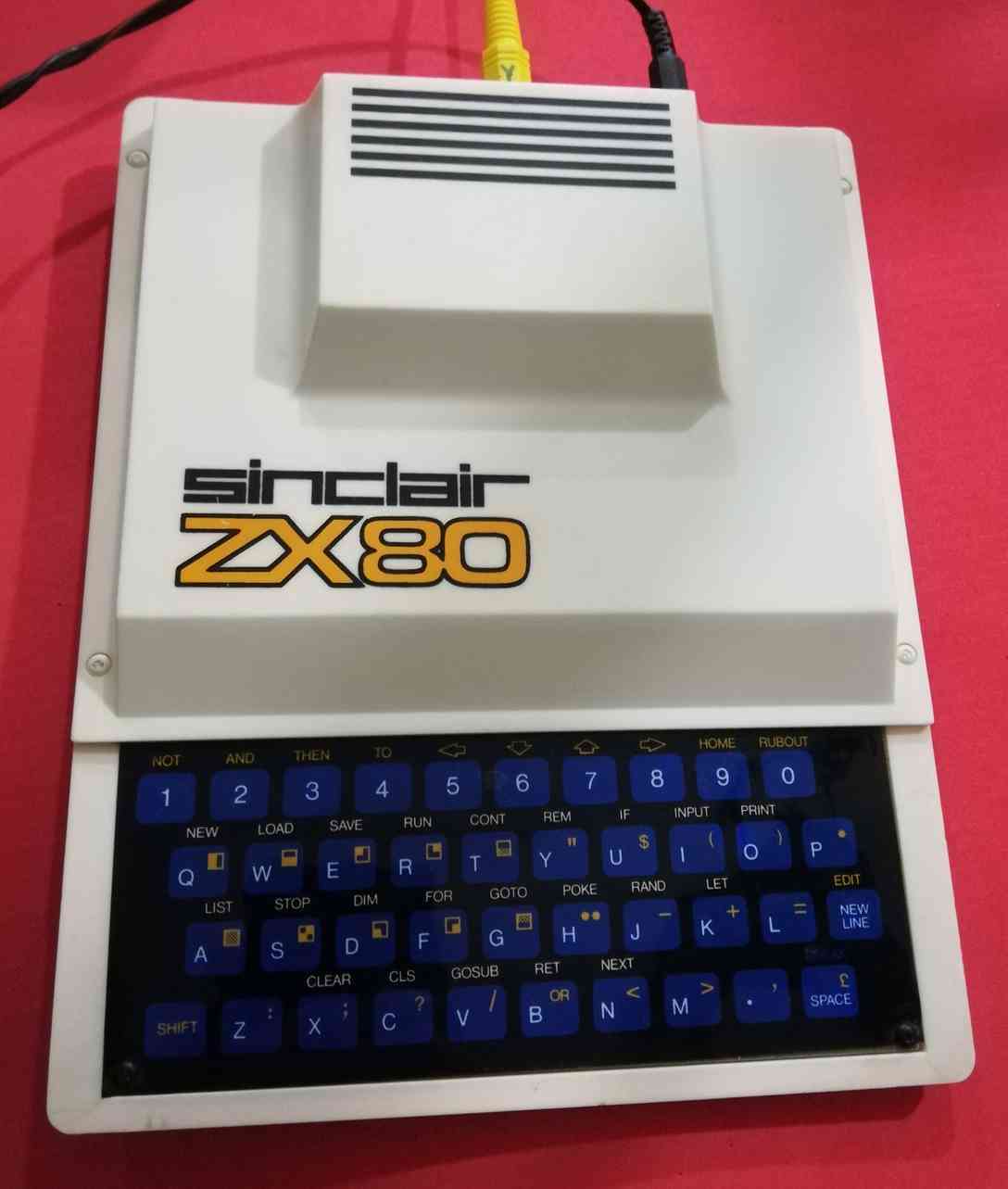 The Sinclair ZX80 is a home computer launched on 29 January 1980 by Science of Cambridge Ltd. (later to be better
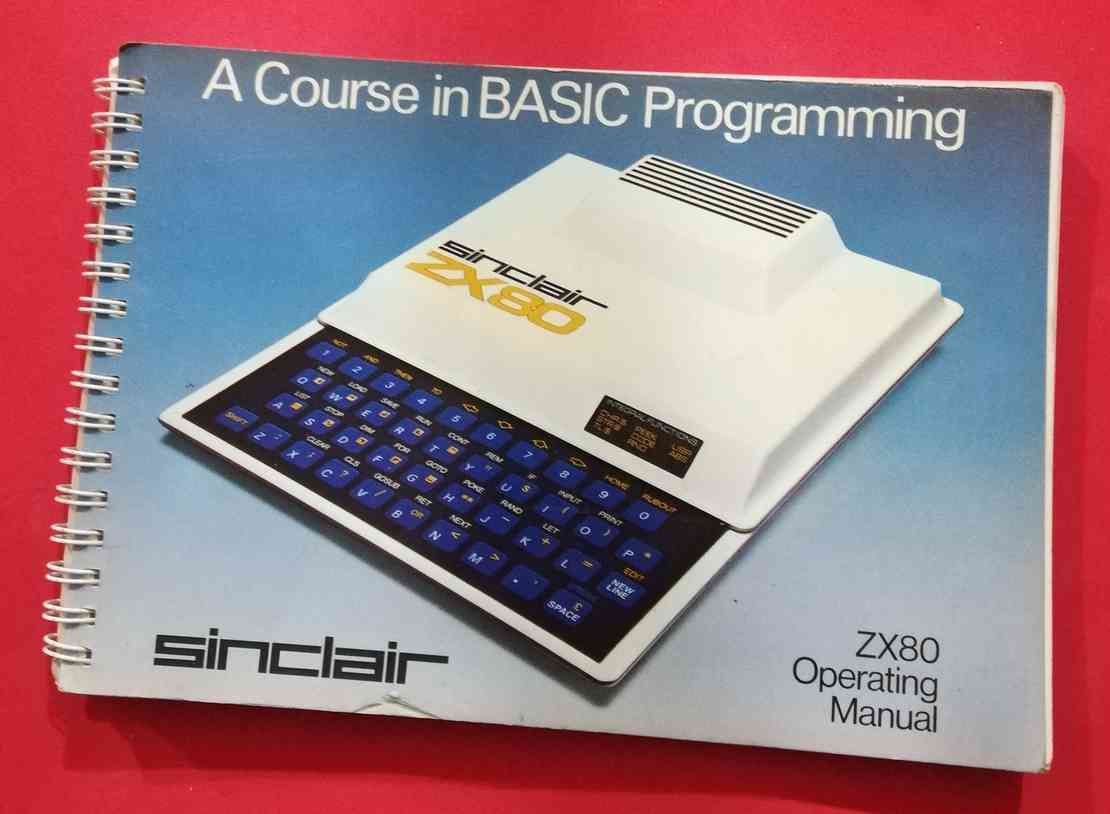 known as Sinclair Research). It is notable for being one of the first computers available in the United Kingdom for less than a hundred pounds. It was available in kit form for £79.95, where purchasers had to assemble and solder it together, and as a ready-built version at £99.95.The ZX80 was very popular straight away, and for some time there was a waiting list of several months for either version of the machine.
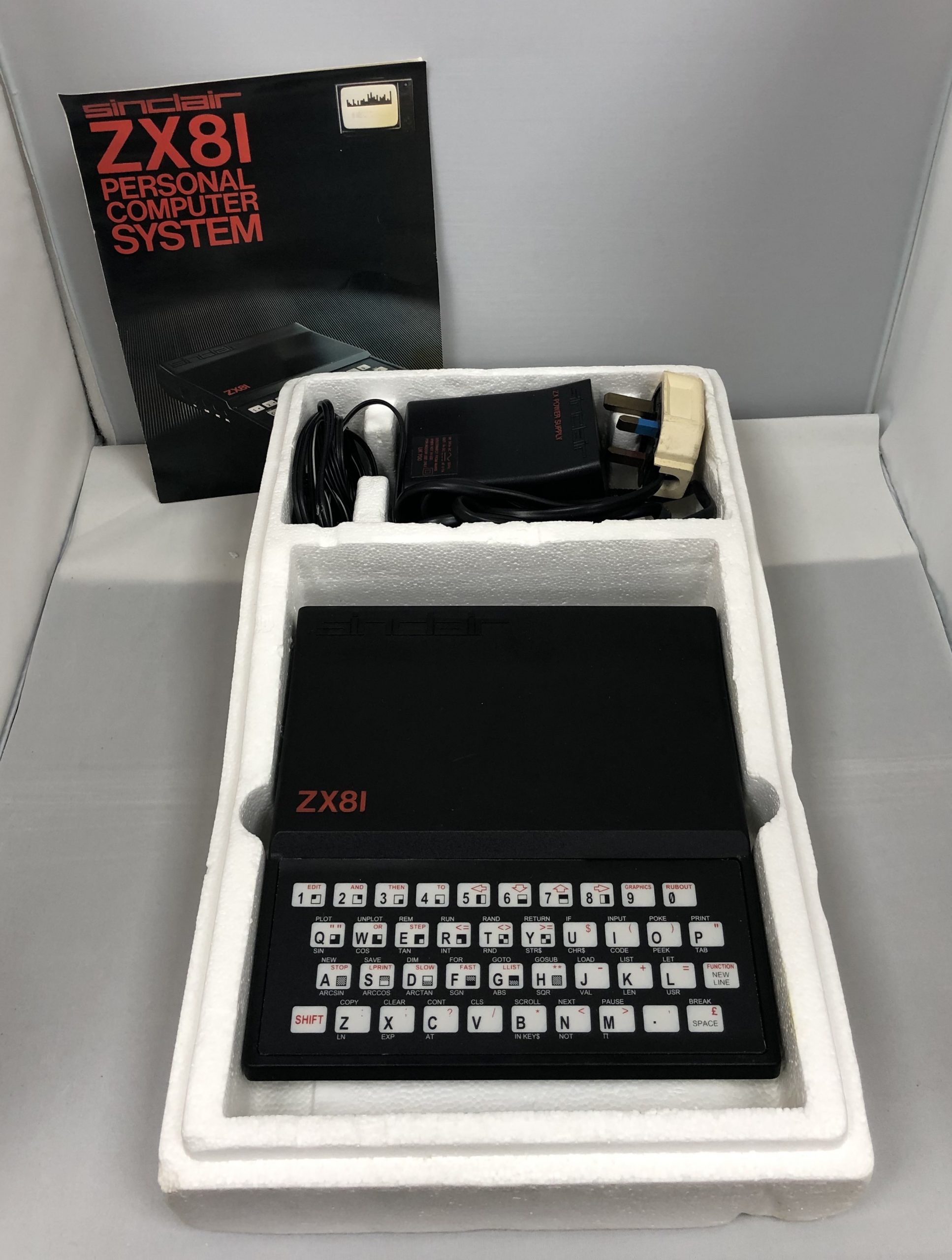 The ZX 81 is a home computer that was produced by Sinclair Research and manufactured in Dundee, Scotland, by Timex Corporation. It was launched in the United Kingdom in March 1981 as the successor to Sinclair's ZX80 and designed to be a low-cost introduction to home computing for the general public. It was hugely successful; more than 1.5 million units were sold. In the United States it was initially sold as the ZX-81 under licence by Timex. Timex later produced its own versions of the ZX81: the Timex Sinclair 1000 and Timex Sinclair 1500. Unauthorized ZX81 clones were produced in several countries.
The ZX81 was designed to be small, simple, and above all, inexpensive, with as few components as possible. Video output is to a television set rather than a dedicated monitor. Programs and data are loaded and saved onto compact audio cassettes. It uses only four silicon chips and a mere 1 KB of memory. There is no power switch or any moving parts with the exception of a VHF TV channel selector switch present in some models. It has a pressure-sensitive membrane keyboard. The ZX81's limitations prompted a market in third-party peripherals to improve its capabilities. Its distinctive case and keyboard brought designer Rick Dickinson a Design Council award.
The ZX81 could be bought by mail order preassembled or, for a lower price, in kit form. It was the first inexpensive mass-market home computer to be sold by high street stores, led by W. H. Smith and soon many other retailers. The ZX81 marked the point when computing in Britain became an activity for the general public rather than the preserve of businessmen and electronics hobbyists. It produced a huge community of enthusiasts, some of whom founded their own businesses producing software and hardware for the ZX81. Many went on to have roles in the British computer industry. The ZX81's commercial success made Sinclair Research one of Britain's leading computer manufacturers and earned a fortune and an eventual knighthood for the company's founder Sir Clive Sinclair.
 KIT version of the famous ZX-81
The ZX 81 is a home computer that was produced by Sinclair Research and manufactured in Dundee, Scotland, by Timex Corporation. It was launched in the United Kingdom in March 1981 as the successor to Sinclair's ZX80 and designed to be a low-cost introduction to home computing for the general public. It was hugely successful; more than 1.5 million units were sold. In the United States it was initially sold as the ZX-81 under licence by Timex. Timex later produced its own versions of the ZX81: the Timex Sinclair 1000 and Timex Sinclair 1500. Unauthorized ZX81 clones were produced in several countries.
The ZX81 was designed to be small, simple, and above all, inexpensive, with as few components as possible. Video output is to a television set rather than a dedicated monitor. Programs and data are loaded and saved onto compact audio cassettes. It uses only four silicon chips and a mere 1 KB of memory. There is no power switch or any moving parts with the exception of a VHF TV channel selector switch present in some models. It has a pressure-sensitive membrane keyboard. The ZX81's limitations prompted a market in third-party peripherals to improve its capabilities. Its distinctive case and keyboard brought designer Rick Dickinson a Design Council award.
The ZX81 could be bought by mail order preassembled or, for a lower price, in kit form. It was the first inexpensive mass-market home computer to be sold by high street stores, led by W. H. Smith and soon many other retailers. The ZX81 marked the point when computing in Britain became an activity for the general public rather than the preserve of businessmen and electronics hobbyists. It produced a huge community of enthusiasts, some of whom founded their own businesses producing software and hardware for the ZX81. Many went on to have roles in the British computer industry. The ZX81's commercial success made Sinclair Research one of Britain's leading computer manufacturers and earned a fortune and an eventual knighthood for the company's founder Sir Clive Sinclair.


Donated Sergio Massacesi
T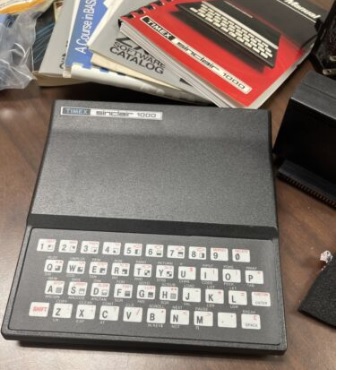 he Timex Sinclair 1000 (or T/S 1000) was the first computer produced by Timex Sinclair, a joint venture between Timex Corporation and Sinclair Research. It was launched in July 1982, with a US sales price of US$99.95, making it the cheapest home computer at the time; it was advertised as "the first computer under $100".[1] The computer was aimed at regular home users. As purchased, the T/S 1000 was fully assembled and ready to be plugged into home televisions, which served as a video monitor. The T/S 1000 was a slightly modified version of the Sinclair ZX81 with an NTSC RF modulator, for use with North American TVs, instead of PAL for European TVs. The T/S 1000 doubled the onboard RAM from 1 KB to 2 KB. The T/S 1000's casing had slightly more internal shielding but remained the same as Sinclair's, including the membrane keyboard. It had black-and-white graphics and no sound. It was followed by an improved version, the Timex Sinclair 1500 which had substantially more RAM (16 KB) and a lower price (US$80). However, the T/S 1500 did not achieve market success, given that the marketplace was by this time dominated by Commodore, RadioShack, Atari and Apple.
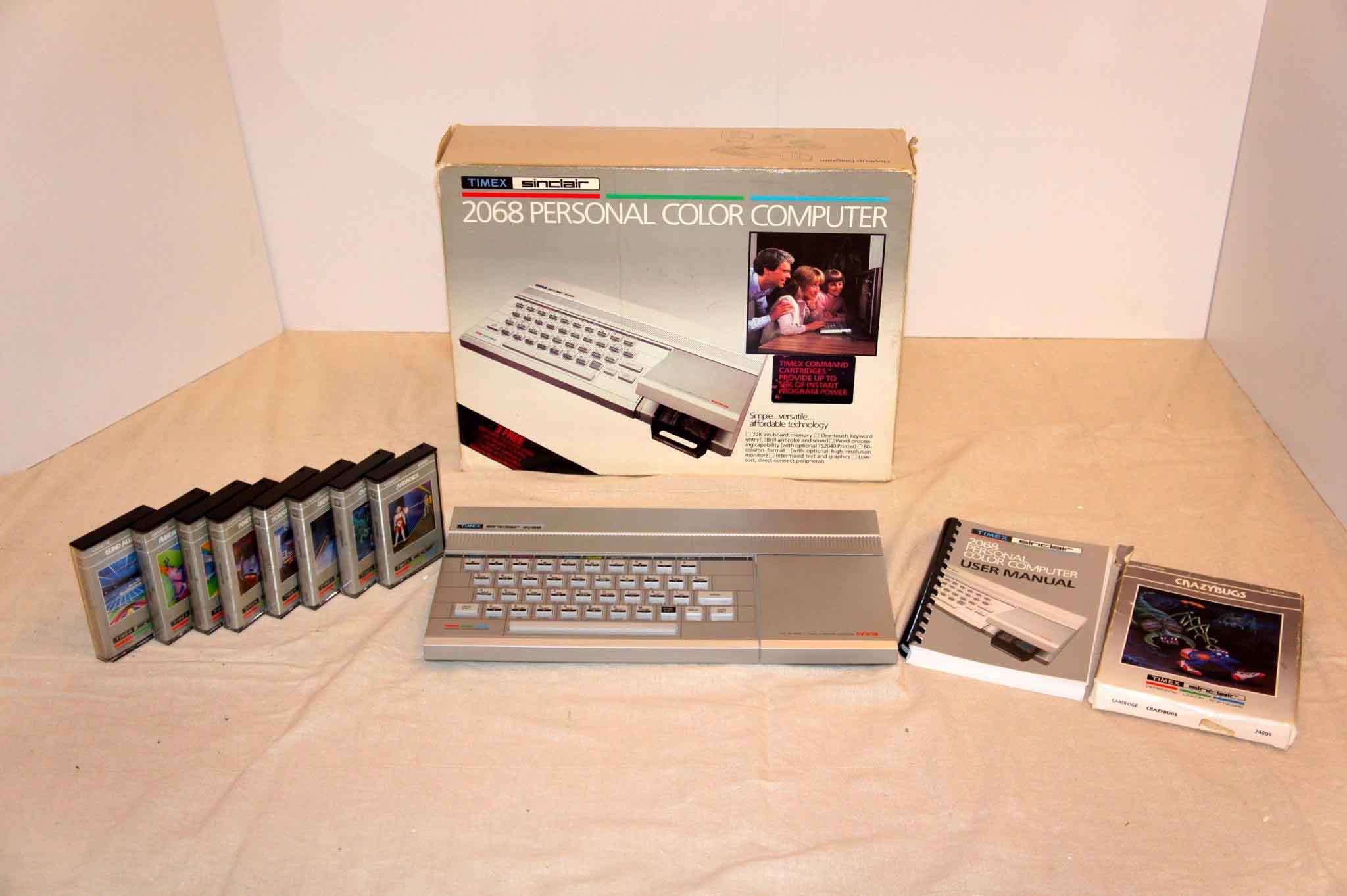 The Timex Sinclair 2068 (T/S 2068), released in November 1983, was Timex Sinclair's third and last home
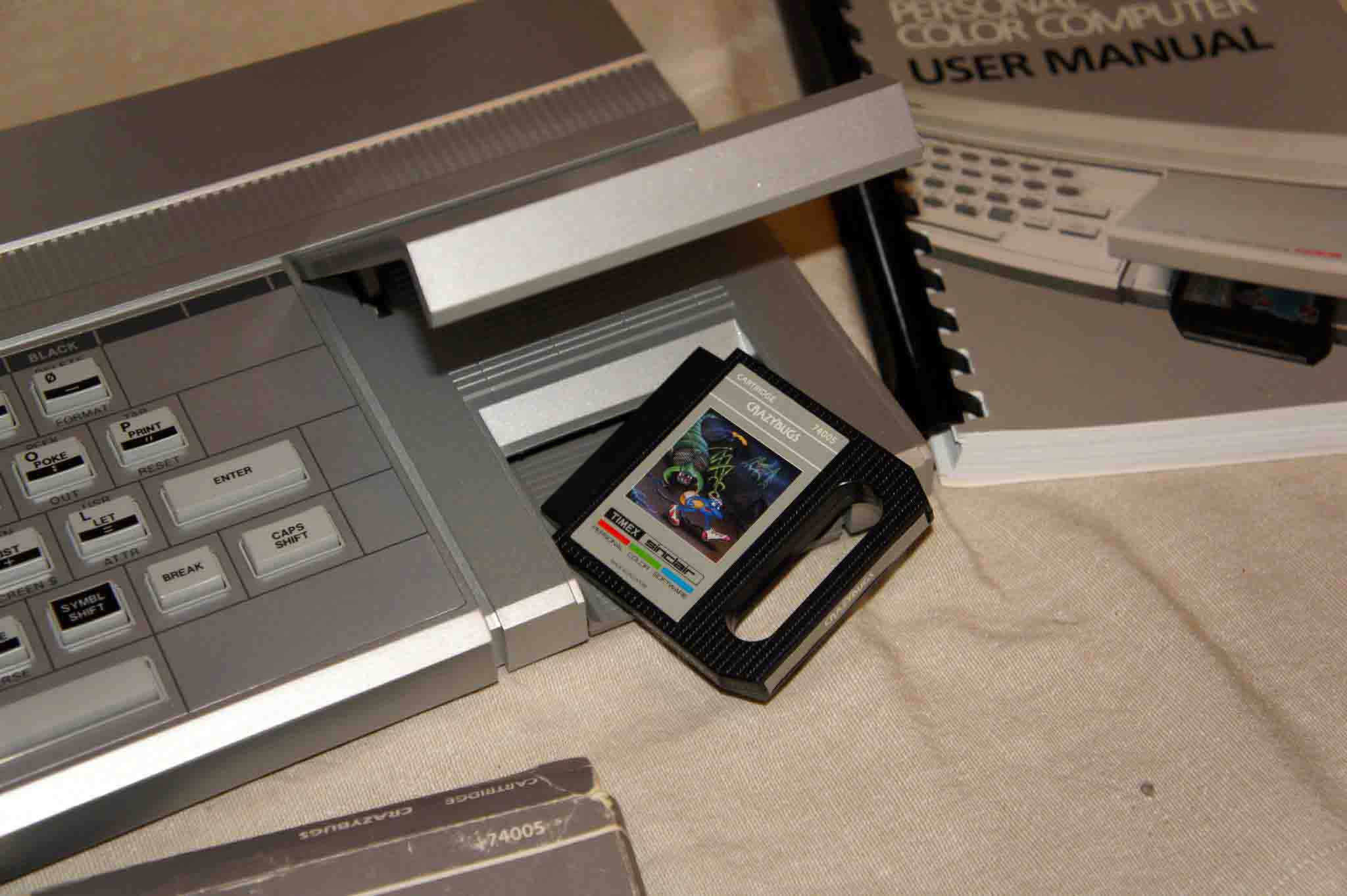 computer for the United States market. It was also marketed in Canada, Argentina, Portugal and Poland, as Timex Computer 2068 (TC 2068).


.jpg "Core Module Watch")


.jpg "APPLE")
.jpg "Calculator Fuller")
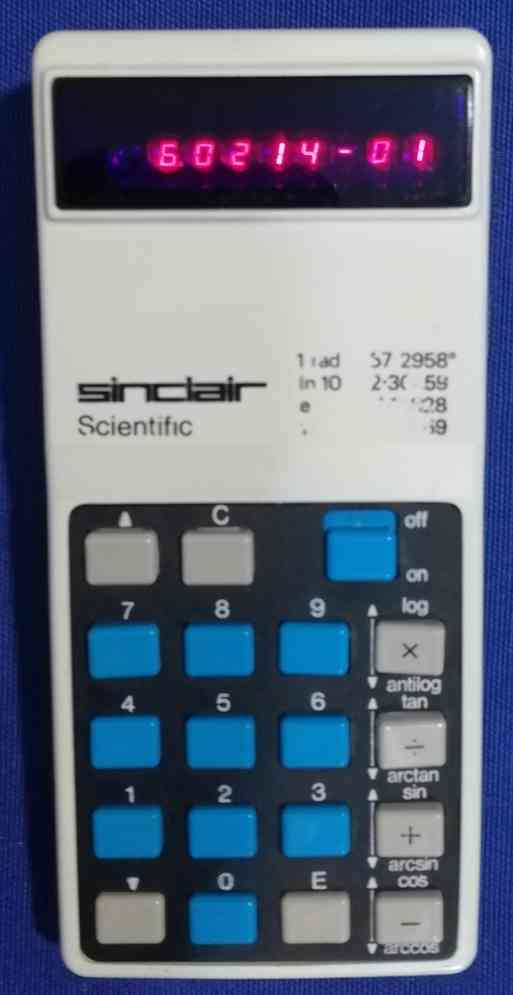
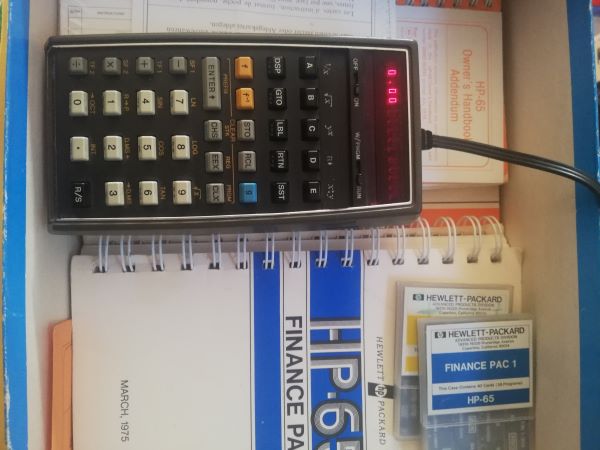
.jpg "Console / Games")
.jpg "Olivetti Valentine")
.jpg "Battle Star Galactica")
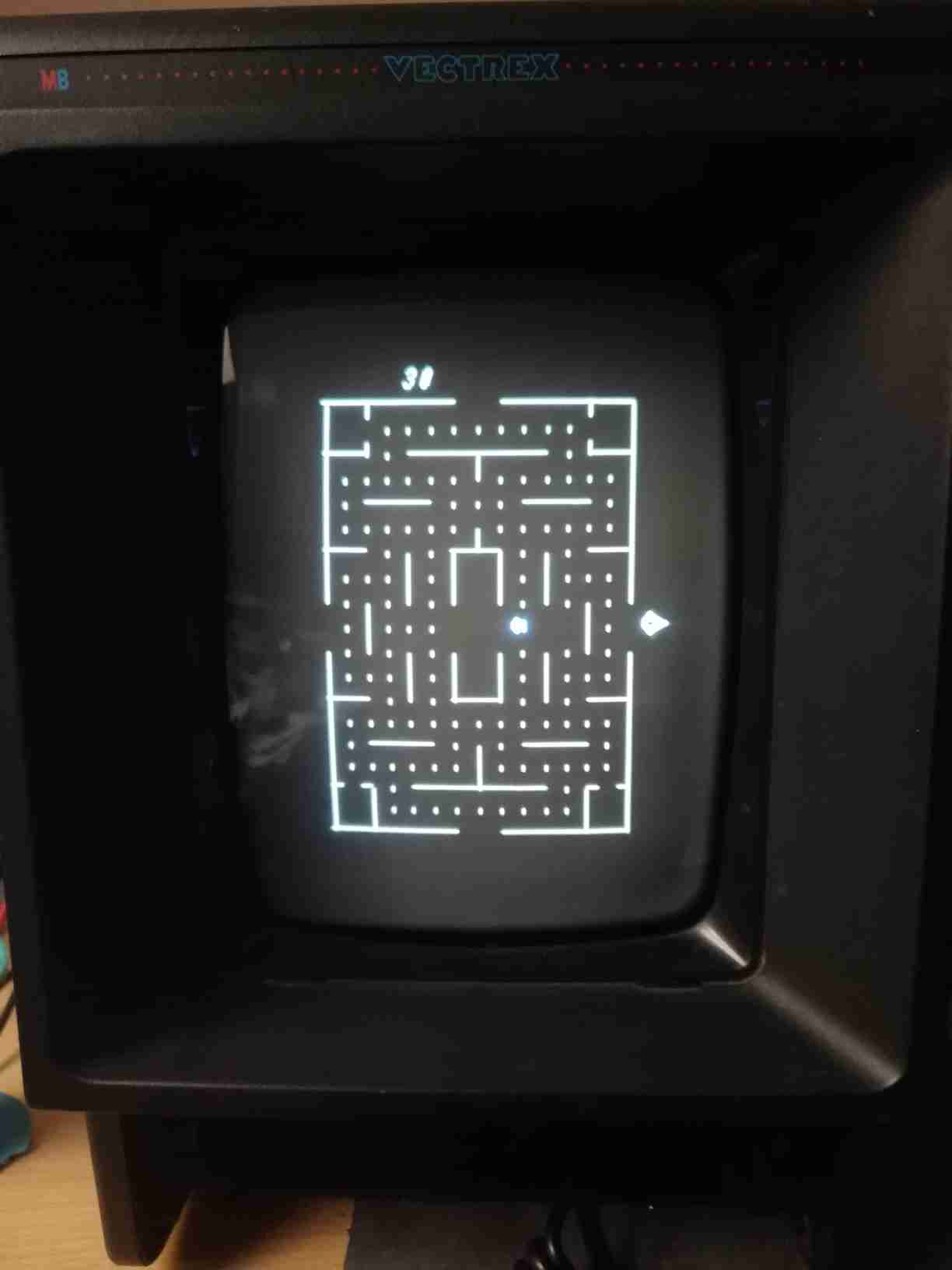


.png)